Author: Anisa Singh

  • How to Network Successfully in the Music Industry

    How to Network Successfully in the Music Industry

    How to network in the music industry: gritty black-and-white photo of musicians connecting at a live event in red rim lighting, with red lightning bolt graphics and AMPLIFY YOUR VOICE brand mark

    Learning how to network in the music industry is one of the highest-leverage skills an independent artist can build. Here are eight ways that actually work.

    How to network in the music industry the genuine way

    Learning how to network in the music industry takes patience and sincerity. The eight approaches below work because they build trust, not just a contact list.

    Picture the music industry as a gigantic, glittering party on a cruise ship. Everywhere you look, there are artists jamming, producers mixing beats, and managers doing the cha-cha! It’s not just about who’s got the snazziest dance moves or the fanciest drink. It’s about finding your groove-mates on this ship! Sure, you could hand out shiny business cards like they’re candy, but why stop there? Dive deep, strike a chord, and create lasting bonds that’ll turn your solo act into a headlining ensemble! Ready to master the dance of networking? Let’s waltz through this musical gala together!

    1. Understanding the Music Ecosystem

    Navigating the music industry without understanding its intricate ecosystem is like trying to waltz without knowing the steps—you’ll end up stepping on some toes! Imagine confusing a booking agent with a talent manager or approaching a publishing company when you really meant to chat with a record label. Oops! By deciphering the dance of the music world—identifying who’s who from record labels to talent managers—you’ll not only avoid some awkward faux pas, but you’ll also cha-cha your way to the right contacts and opportunities. So, before you hit the dance floor of networking, make sure you know your steps!

    2. Attend Industry Events

    Imagine being in a bustling room where the bass notes of a catchy tune vibrate underfoot, and the air is electric with inspiration. Music conferences, seminars, festivals, and showcases are not just events – they’re vibrant melting pots of talent, teeming with opportunities! It’s like walking into a carnival where every tent offers a new chance to dazzle or be dazzled. When you step into these arenas, you’re not just attending an event; you’re plunging into a living, breathing ecosystem of the music world. So, polish off those business cards, dust off that killer pitch, and dive into the rhythmic whirlpool. Who knows? The next big trend in music might just start with a casual chat by the snack table!

    3. Build Genuine Relationships

    Picture this: you’re at a bustling music event, and there’s that one individual flitting around like a hyperactive butterfly, doling out business cards faster than you can say “networking.” It’s a spectacle! But, here’s a thought – instead of emulating the butterfly, why not be the wise owl? Patient, discerning, and present. You see, in the grand symphony of networking, it’s not about hitting every note but finding the perfect harmony. Prioritize quality interactions over sheer quantity. Attune your ears, listen with intent, and discover the melody of mutual benefit. After all, isn’t a genuine duet more magical than a cacophonous chorus?

    4. Utilize Social Media

    In the high-octave world of music, who’d have thought that platforms like LinkedIn, Twitter, and Instagram would become the modern-day jam sessions? Slide into LinkedIn like you’re hitting a perfect note, tweet harmoniously with industry influencers on Twitter, and let your stories resonate on Instagram like a chart-topping chorus. From retweeting the latest industry buzz to sharing your backstage moments, these platforms are your ticket to the global music concert! So, amp up your online presence, engage in those tuneful conversations, and let the world dance to your digital beat!

    5. Seek Out Mentorship

    Imagine having a backstage pass to the music industry’s most coveted secrets! That’s what it feels like having a mentor in your corner. Think of them as your industry Yoda, brimming with wisdom, ready to help you navigate the labyrinth of the music world. From sharing tales of their backstage escapades to introducing you to the ‘who’s who’ in their Rolodex, a mentor can be your compass, ensuring you don’t lose your way. When reaching out to a potential mentor, channel your inner enthusiast: be genuine, respectful, and let your passion for learning shine. After all, every rockstar once had their guiding star!

    6. Stay Authentic

    In a world full of auto-tuned voices and cookie-cutter pop beats, there’s nothing more refreshing than raw, unfiltered authenticity in the music industry! Think of it as the spice in a bland soup or the vibrant splash of color in a grayscale painting. When you embrace your genuine self and let your musical passions dance unabashedly in every note and interaction, you become a magnetic force. Others are drawn to your originality, and that authentic vibe helps strike chords (pun intended!) that resonate deeply, forging bonds that aren’t just fleeting notes but lasting symphonies.

    7. Keep Learning

    Imagine the music industry as a lively dance floor, where genres mix, artists collaborate, and technology spins the tunes! As the beat of the industry constantly changes, staying in rhythm with the latest developments, trends, and tech gadgets becomes your dance move. When you’re on top of the latest groove, not only do you become the life of the party, but you also get to lead some of the most exciting dance-offs (read: collaborations) with other music enthusiasts. So, lace up those dancing shoes, and let’s jive to the ever-evolving melodies of the music world!

    8. Follow Up

    Ever been on a fantastic first date and eagerly awaited that follow-up text? Networking in the music industry (or any industry, for that matter) isn’t too different! Once the initial melody of introduction has played, it’s crucial to keep the rhythm going. So, after that electrifying first meeting, drop your new connection a catchy ‘thank-you’ note (you can even make it a jingle if you’re feeling extra creative!). Slide in a harmonious chord about staying in tune with each other and, if the vibe feels right, brainstorm a duet for future collaborations. Keep the music playing, and you might just create a chart-topping partnership!

    Navigating the Networking Maze

    Navigating the music industry? It’s like throwing the ultimate jam session: you need the right instruments (your genuine curiosity), to stay in tune (continuous learning), and of course, to vibe with your crowd (authentic connections). Now, once you’ve gathered your band, the real magic is in directing the symphony to make the charts!

    Now… Want to steal the spotlight? Dive into the “Amplify Your Voice” course. It’s your backstage pass to killer music marketing tips, personal branding tricks, and strategies to get you headlining in no time.

    Ready to kick off your world tour? Start with a single note. Enroll now, and let’s turn that whisper into a roar in the grand arena of music!

    #MusicNetworking

    #IndustryInsights

    #MusicEcosystem

    #NetworkingTips

    #MusicMentorship

    #AuthenticMusic

    #MusicIndustryTrends

    #MusicCollaborations

    #MusicEvents

    #ArtistGrowth

    Keep Reading

    You can also explore ASCAP for more artist resources. Put your network to work with these guides: what your music press kit needs, how to promote your music, and essential skills for a new artist.

    Frequently Asked Questions About Networking in the Music Industry

    How do I start networking in the music industry with no connections?

    Start with what this article lays out: learn who does what in the music ecosystem, attend industry events and local shows, be genuinely curious about others, and follow up after you meet people.

    What should I say when approaching industry professionals?

    Be genuine, respectful, and specific about why you admire their work and what you're building. Quality conversations beat a pocketful of business cards handed out at speed.

    Is it okay to ask a professional to mentor me?

    Yes, if you approach it the way the article suggests: genuine, respectful, and showing your passion for learning. A mentor relationship usually grows from a real connection, not a cold ask.

    How important is follow-up after meeting someone?

    Very important. The article compares it to waiting for a follow-up text after a great first date: a short thank-you note keeps the connection alive and can lead to future collaborations.

  • The Power of Music Collaborations: Tips and Strategies

    The Power of Music Collaborations: Tips and Strategies

    The Evolutionary Role of Music Collaborations in the Music Industry

    A music collaboration is a creative partnership where two artists (or more) combine their talents, perspectives, and influences to produce a musical project, for example, a song, studio album, performance, or even a remix. This union, transcending mere performances or recordings, often results in a fusion of genres, styles, and cultures, leading to innovative and sometimes unexpected outcomes. These collaborations have become a vital tool for artistic expression and career development. They range from simple duets to complex productions involving multiple artists and can include songwriting, performing, and recording together. From the synergistic merging of pop and country in the works of Taylor Swift and Tim McGraw to the genre-defying collaborations of hip-hop and rock in the tracks of Jay Z and Linkin Park, musical collaborations have consistently broken new ground and reshaped the musical landscape.

    Music collaborations have become a staple in the industry, shaping its landscape with every new joint venture. From the classic rock and pop blend of Aerosmith and Run DMC to the modern-day fusion of country and rap in “Old Town Road” by Lil Nas X and Billy Ray Cyrus, collaborations have consistently pushed the boundaries of musical genres.

    The Advantages of Artistic Partnerships

    Expanding Artistic Boundaries:

    Collaborations often lead artists to explore genres and styles outside their comfort zones. The union of Elton John and Kiki Dee for “Don’t Go Breaking My Heart” exemplifies how artists can create an instant hit by stepping out of their usual realms.

    Enhancing Visibility and Reach:

    Collaborations are a strategic way for artists to broaden their audience. When two artists come together, like Ed Sheeran and Justin Bieber in “I Don’t Care,” they each bring their fanbase, leading to increased visibility and commercial success.

    Pair that reach with a real release plan so the new audience has somewhere to land: my release campaign guide for independent artists shows how.

    Creating Historic Moments in Music:

    Amazing music collaborations can mark significant moments in music history. The iconic duo of David Bowie and Freddie Mercury in “Under Pressure” created a track that remains a masterpiece, showcasing the magic that happens when talented artists join forces.

    Crafting a Successful Collaboration

    Aligning Artistic Visions:

    The key to a fruitful collaboration is finding an artist whose vision and style resonate with yours. The collaboration between Lady Gaga and Beyoncé in “Telephone” is a perfect example of two powerhouse artists aligning their artistic visions to create a sensational music video and track.

    Mutual Respect and Equality:

    For a collaboration to be successful, mutual respect among the artists involved is paramount. This was clearly seen in the respectful dynamic between Paul McCartney and Michael Jackson in their collaborations.

    Clear Communication and Shared Goals:

    Successful musical collaborations rely on open communication and shared objectives. The collaborative efforts of Jay Z and Kanye West in their joint album “Watch the Throne” demonstrate how a shared vision can lead to a groundbreaking studio album.

    Navigating Challenges in Music Partnerships

    Balancing Creativity and Commercial Goals:

    Striking a balance between maintaining artistic integrity and achieving commercial success is vital. The collaboration between Daft Punk and Pharrell Williams in “Get Lucky” shows how artists can retain their unique sound while creating a commercially successful track.

    Managing Expectations and Egos:

    High-profile collaborations, especially those involving the biggest stars in the industry like Taylor Swift or Kanye West, come with enormous expectations. It’s crucial to manage these expectations and balance the egos involved to ensure a smooth creative process.

    Legal and Financial Aspects:

    Collaborations often involve complex legal and financial negotiations, especially when artists from different record labels come together. Transparency and fair agreements are essential to avoid conflicts.

    My guide to legalities in music breaks down the contracts, credits, and royalties involved.

    Iconic Collaborations and Their Impact

    Redefining Music Genres:

    Some collaborations have been pivotal in redefining music genres. The joining of forces by Eminem and Rihanna, for instance, bridged the gap between rap and pop, creating tracks that resonated with a wide audience.

    Influencing Societal Narratives:

    Collaborations can also play a significant role in shaping societal narratives. Songs like “Same Love” by Macklemore & Ryan Lewis featuring Mary Lambert brought important social issues to the forefront through music.

    Setting Industry Benchmarks:

    Legendary collaborations often set new standards in the music industry. The team-up of Bing Crosby and David Bowie for “The Little Drummer Boy/Peace on Earth” is an example of an unlikely pairing that created a timeless holiday classic.

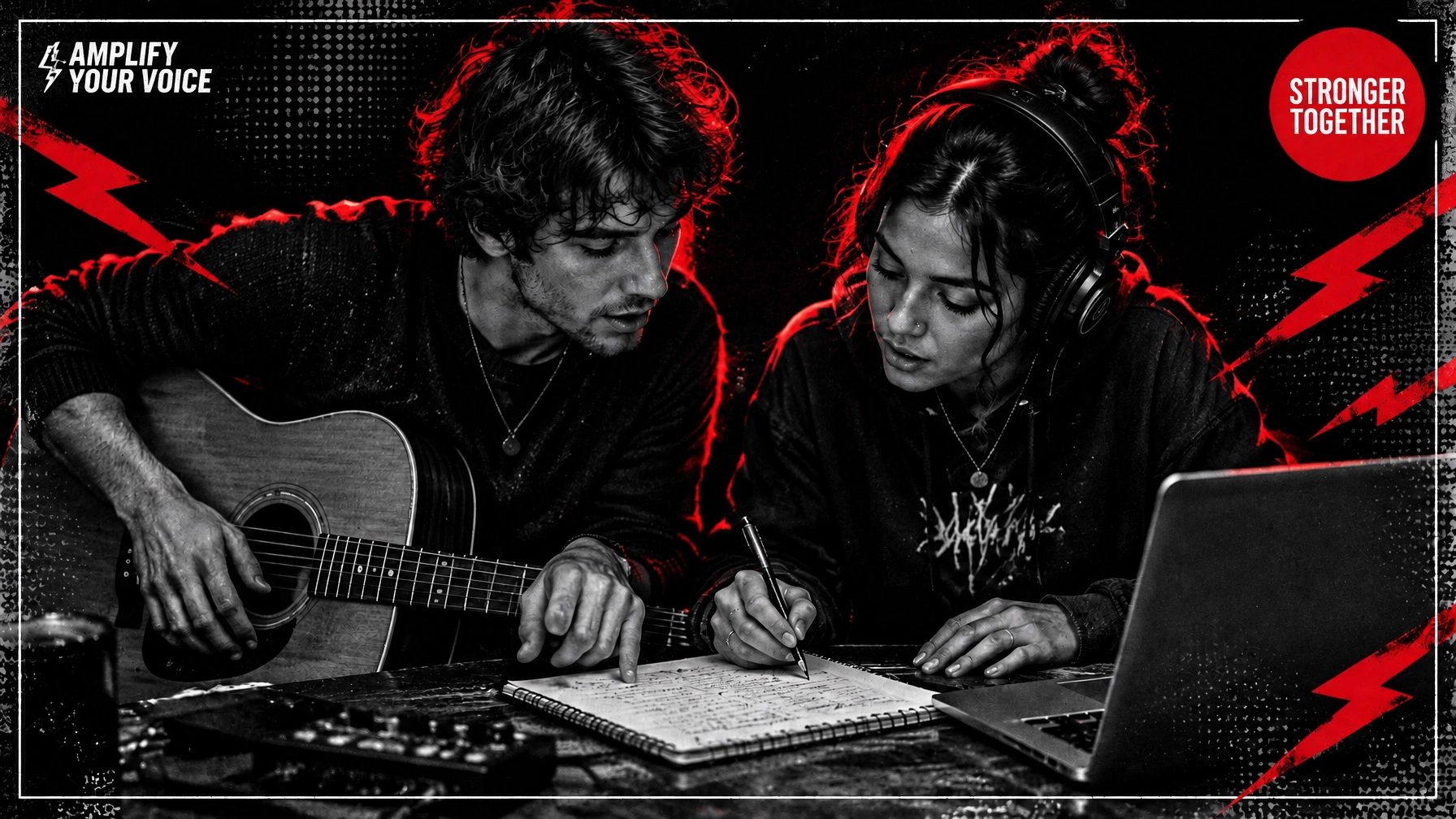
    Two musicians co-writing a song at home, one on guitar and one recording a voice memo
    Most collaborations start exactly this informally.

    Guidance for Emerging Artists on Collaborations

    Leveraging Online Collaborative Opportunities:

    The digital age has made it easier for emerging artists to collaborate. Platforms like Instagram and TikTok are not just for promoting music but also for finding and connecting with potential collaborators.

    Attending Industry Networking Events:

    Engaging in industry events, workshops, and conferences is a great way to meet other artists and explore collaborative opportunities.

    My step-by-step guide to networking in the music industry covers how to work a room without feeling fake.

    Respecting Creative Differences:

    While collaborating, it’s essential to respect the creative input of all parties involved. Collaborations like those between Nick Cave and Kylie Minogue show how artists from different genres can create something unique by respecting each other’s artistic differences.

    Diverse Forms of Collaboration:

    Remember, collaborations can take various forms – from co-writing songs to collaborating on an entire album or even joining forces for a music tour.

    Collaborations in the music industry are a testament to the power of unity and creativity. The potential that a good collaboration brings not only amplifies the reach and success of the artists involved but also creates significant cultural impacts. For emerging artists, embracing music collaborations can be a pathway to explore new creative dimensions, gain wider recognition, and leave a lasting imprint in the world of music.

    Got your creative, collaborative juices flowing yet? Join AYV today and unlock the secrets to successful music collaborations, gaining the exposure and recognition your talent deserves.

    Conclusion

    Collaborations in the music industry are a testament to the power of unity and creativity. The potential that a good collaboration brings not only amplifies the reach and success of the artists involved but also creates significant cultural impacts. For emerging artists, embracing music collaborations can be a pathway to explore new creative dimensions, gain wider recognition, and leave a lasting imprint in the world of music.

    Keep Amplifying Your Voice

    A good collaboration can change the trajectory of your year, and the business side is what keeps it friendly. Her original invitation follows, then quick answers to common questions.

    Got your creative, collaborative juices flowing yet? Join AYV today and unlock the secrets to successful music collaborations, gaining the exposure and recognition your talent deserves. (Course details: amplifyyourvoice.com)

    Frequently Asked Questions About Music Collaborations

    What counts as a music collaboration?

    Any creative partnership where two or more artists combine talents, perspectives, and influences on a musical project: a song, an album, a performance, or a remix. Co-writing and touring together count too.

    How do collaborations help new artists?

    They expand your artistic boundaries, put your music in front of another artist’s fan base, and can create moments that outlast either of your solo catalogs. Each partnership is also a learning experience.

    How do I find artists to collaborate with?

    Use platforms like Instagram and TikTok to find and connect with potential collaborators, and meet artists in person at industry events, workshops, and conferences. Look for a vision and style that resonate with yours.

    What should we agree on before starting a collaboration?

    Agree in writing on who owns the final product and how credits and royalties are divided. Clear agreements made early are what keep the creative relationship harmonious.

    Do collaborations have to be songs?

    No. They can be co-written songs, a full joint album, a remix, a shared stage, or an entire tour. Choose the form that fits both artists’ strengths and schedules.

    #MusicCollaboration #IndependentArtist #MusicIndustry #CoWriting #MusicPartnerships #NewMusic #ArtistDevelopment #MusicBusiness #Songwriting #AmplifyYourVoice

  • 5 Key Ingredients for a Viral Music Video

    5 Key Ingredients for a Viral Music Video

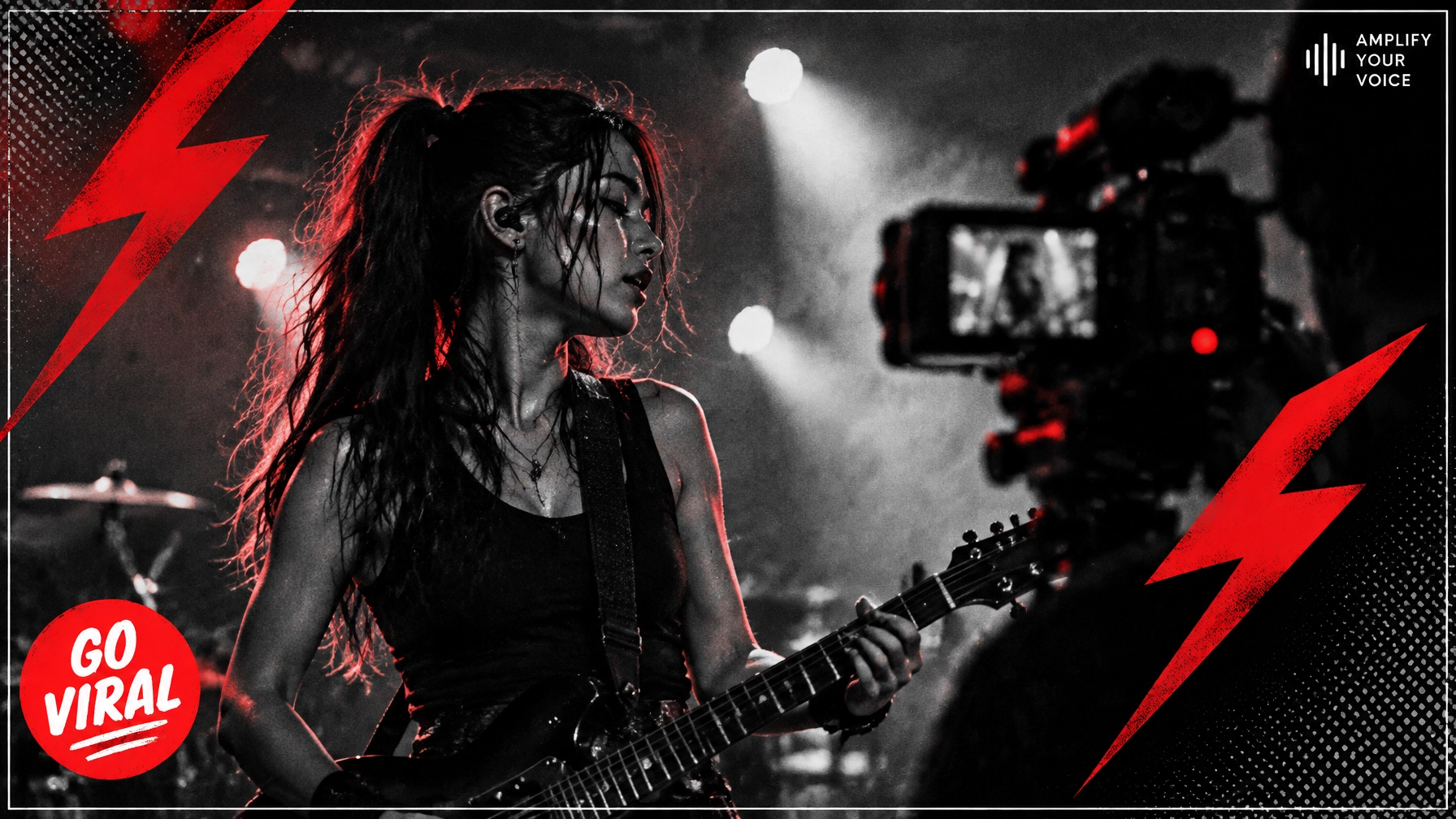
    Viral music video ingredients: gritty black-and-white photo of a female musician performing under red stage lights, with red lightning bolt graphics and AMPLIFY YOUR VOICE brand mark

    Wondering what it takes to make a viral music video? The five ingredients below are what successful videos consistently share.

    What makes a viral music video

    There is no guaranteed recipe for a viral music video, but the five ingredients below appear again and again in the videos that take off.

    The landscape of the music industry has drastically changed with the advent of the digital age. Now more than ever, visual storytelling is proving instrumental in an artist’s journey to stardom. A compelling music video can not only significantly amplify a song’s reach but also engage and grow your fanbase. But what exactly does it take to create a viral music video? Let’s explore the five key ingredients to increase your chances of creating a sensation in the digital music video realm.

    1. Compelling Storytelling

    Storytelling holds an integral place in the fabric of any memorable music video. It serves as a powerful tool that enriches the song by visually encapsulating its emotion and message, crafting a perfect harmony between what the audience hears and sees. In the realm of music videos, storytelling can vary in complexity and structure. However, the key to creating a compelling narrative doesn’t necessarily reside in intricacy or grandeur, but in creative and imaginative execution. A straightforward, heartfelt narrative that aligns with the song’s essence can be as impactful as any labyrinthine plot. This approach can provide a fresh perspective, ensuring the story resonates deeply with viewers and leaves an indelible impression that echoes beyond the duration of the video.

    2. Unique Visual Style

    In today’s digital era, where viewers are constantly inundated with content, an original and visually appealing style can be a powerful differentiator for your music video. Creative cinematography offers an artistic lens through which your story unfolds, casting a captivating spell on the viewer. Shooting in unusual locations can lend a sense of intrigue and novelty, piquing viewers’ curiosity. Similarly, the use of distinct color palettes can evoke specific moods and emotions, enhancing the overall impact of your narrative. On the other hand, innovative animation can offer a completely different aesthetic dimension, pushing the boundaries of visual storytelling. The unique visual component not only grabs initial attention but also incites viewers to share your video, vastly increasing its potential to go viral. It’s this attention to the visual element that can help your music video cut through the noise and capture viewers’ imaginations.

    3. Engaging Choreography

    When it comes to captivating your audience and creating a memorable music video, never underestimate the power of well-executed choreography. If it aligns with your musical genre and video concept, engaging dance sequences can inject infectious energy into your visuals, taking them to a whole new level. It doesn’t necessarily have to involve complex dance routines or a group of professional dancers. Even an artist swaying, bobbing, or moving rhythmically to the beats can provide a dynamic visual representation of the music that is both captivating and shareable. This kinetic element adds an additional layer of connection between the music and its audience, transforming a mere viewing experience into a full-bodied musical journey. The right moves can help etch your music video into the minds of viewers, encouraging repeated viewings and social shares that amplify your reach.

    4. Emotional Connection

    In the realm of music videos, emotional resonance can be a game-changer. A video that manages to stir feelings, whether joy, sorrow, nostalgia, or surprise, has a profound effect on its viewers, making the experience more personal and memorable. When a viewer emotionally connects with your video, they are more likely to feel a deep attachment to your work, transforming them from a casual observer to an engaged fan. This emotional connection also spurs viewers to share your music video with others, broadening its reach. This organic sharing is an essential component of what makes a music video go viral. Therefore, artists should aim to evoke emotion in their music videos, making them not just visually appealing, but emotionally captivating as well.

    5. Shareable Elements

    Integrating shareable or meme-worthy elements into your music video significantly boosts its potential to go viral. These elements – be it an unforgettable dance routine, a standout wardrobe choice, a catchy lyric, or an unexpected guest appearance – act as hooks that capture viewers’ attention and encourage them to share your video with their network. In today’s digital age, where social media platforms like Instagram, TikTok, and Twitter drive cultural trends, a single shareable element can catalyze a viral movement, propelling your music video into the spotlight. So, when crafting your music video, consider weaving in such elements that not only align with your creative vision but are also primed for social media virality.

    In conclusion, creating a viral music video is as much an art as it is a science. While these five ingredients increase your chances of creating a hit video, remember there’s no surefire formula for viral success. It’s a combination of creativity, strategic planning, and a touch of luck. However, one aspect remains constant in any successful music video: authenticity. Regardless of trends and digital strategies, your video must resonate with your artistic vision and musical identity.

    Embrace the opportunity that music videos present to express yourself creatively, connect with your fans, and bring your music to life in a new dimension. Whether it goes viral or not, a well-crafted music video can still be a powerful tool in building your artistic brand.

    Lastly, don’t forget to consider SEO practices while promoting your video. Use relevant keywords in your video’s title, description, and tags to help it show up in search results. Also, promote your video across your social media platforms, encourage your fans to share it, and consider collaborating with influencers or other artists to extend its reach.

    Creating a viral music video may seem daunting, but with these ingredients and a pinch of creativity, you are well on your way to making a significant impact. Remember, the goal is not just to get views, but to create an engaging piece of content that reinforces your artistic brand, resonates with your audience, and leaves a lasting impression.

    To learn more about creating a successful music career, don’t forget to check out my comprehensive music course, “Amplify Your Voice! How To Gain More Exposure as a Music Artist”. It’s designed to provide new artists with the knowledge and skills needed to navigate the music industry, gain more exposure, and ultimately, achieve their musical dreams. Best of luck with your music video production!

    #ViralMusicVideo

    #MusicVideoTrends

    #ShareableElements

    #MemeWorthyMoments

    #MusicVideoInspiration

    #GoingViral

    #TrendingMusicVideos

    #MusicVideoTips

    #SocialMediaShares

    #CreatingBuzzo

    Keep Reading

    You can also explore YouTube Creators for more artist resources. Plan your release around the video with these guides: how to promote your music and how to promote your music.

    Frequently Asked Questions About Viral Music Videos

    What makes a music video go viral?

    There is no surefire formula, but this article's five ingredients — compelling storytelling, a unique visual style, engaging choreography, emotional connection, and shareable elements — consistently raise the odds.

    Do I need a big budget for a viral music video?

    No. The article stresses creative and imaginative execution over grandeur: a straightforward, heartfelt narrative can be as impactful as an elaborate production.

    What are shareable elements in a music video?

    Moments built to be shared: an unforgettable dance routine, a standout wardrobe choice, a catchy lyric, or an unexpected guest appearance that hooks viewers and travels on platforms like Instagram, TikTok, and Twitter.

    Does my music video need choreography?

    Not necessarily. If it fits your genre and concept, even an artist swaying or moving rhythmically to the beat adds a dynamic, shareable layer — complex routines aren't required.

  • Music, Art, and Fashion: Expressing Your Style as an Artist

    Music, Art, and Fashion: Expressing Your Style as an Artist

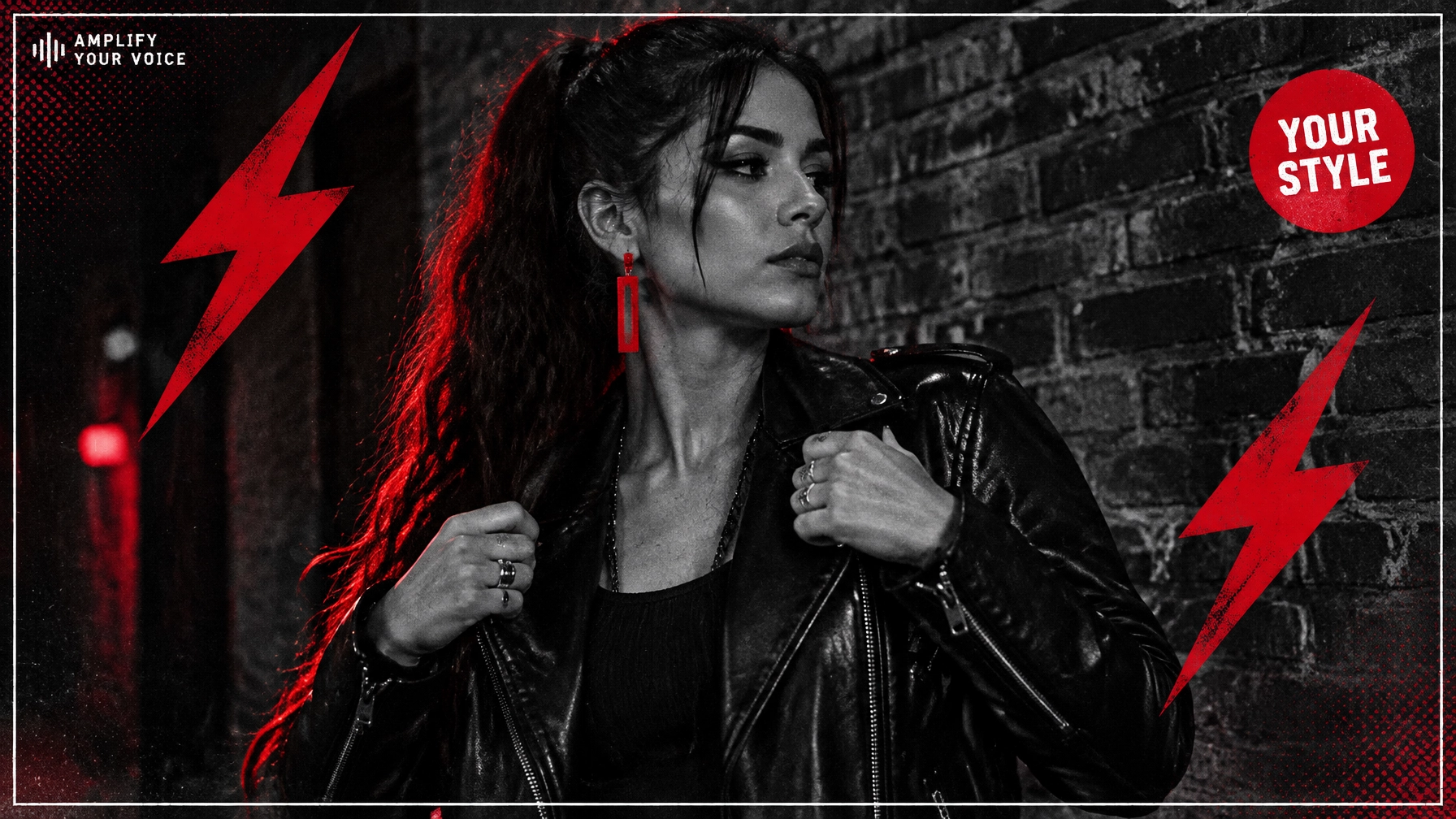
    Artist style and image: gritty black-and-white photo of a stylish female musician in red rim lighting, with red lightning bolt graphics and AMPLIFY YOUR VOICE brand mark

    Your artist style and image matter just as much as your sound: this guide shows how music, art, and fashion combine into a memorable personal brand.

    Why your artist style and image matter

    Your artist style and image work together with your sound to make you recognizable. Before looking at music, art, and fashion separately, it helps to see how the three reinforce one another.

    The intertwining threads of music, art, and fashion have always played a pivotal role in the realm of creative expression. For many artists, this triad serves as the canvas on which they paint their individuality, reflecting their unique voice and style. Understanding how these elements coalesce can empower artists to create a cohesive personal brand and message. Let’s delve deep into how you can harness the power of music, art, and fashion to amplify your voice as an artist.

    1. The Symphony of Music and Identity

    Music, throughout history, has provided artists with a powerful platform to voice their emotions, beliefs, and narratives. The profound depth of a blues riff, echoing tales of heartbreak and endurance, contrasts starkly with the audacious rhythms of punk rock, symbolizing resistance and counterculture. Each musical genre is more than just a collection of notes and melodies; it’s a reflection of distinct identities, socio-cultural movements, and historic moments. Thus, when an artist selects a genre, they’re not just picking a musical style but are also aligning themselves with the rich tapestry of stories, traditions, and values associated with it. The choice, therefore, transcends sound, acting as a declaration of one’s essence and the message they wish to convey to the world.

    Key Takeaway:

    Your musical style should echo your personal journey, beliefs, and the messages you wish to convey to your audience.

    2. Art: A Visual Extension of Your Sound

    Your artist style and image extend beyond sound: the visuals around your music become part of how people remember you.

    In the realm of music, the aural experience is undeniably paramount, but the visual components accompanying it — album covers, promotional posters, and music videos — carry an undeniable weight of their own. These visual artifacts are more than just aesthetic choices; they’re storytellers, evoking emotions and narratives that underscore the music’s essence. Collaborating with adept visual artists or venturing into graphic design can bridge the visual-aural gap, ensuring that the imagery is harmoniously aligned with the music’s spirit. Take, for instance, the timeless image of The Beatles crossing Abbey Road or the mesmerizing prism symbolizing Pink Floyd’s “The Dark Side of the Moon.” These iconic images, drenched in symbology, transcend mere visuals, embedding themselves in cultural memory just as deeply as the tracks they represent.

    KEY TAKEAWAY:

    Imagery can be as powerful as sound. Ensure your visuals are consistent with your musical persona and resonate with your target audience.

    3. Fashion: The Wearable Art

    Fashion is where artist style and image become tangible — something fans can see, share, and imitate.

    Fashion, often misinterpreted as mere attire, is an eloquent language in itself. It’s a powerful tool through which artists like David Bowie and Billie Eilish have whispered secrets and shouted rebellions. Bowie’s glam-rock era wasn’t just about sequins and metallics; it was a statement of defying norms and challenging societal constructs. Similarly, Billie Eilish’s oversized streetwear isn’t just a comfort choice; it’s a deliberate decision to redefine beauty standards and reject the sexualization of young artists. Such choices, far beyond mere aesthetics, offer fans a glimpse into the soul and ethos of an artist. It’s not just about looking good; it’s about resonating, representing, and rebelling. By donning fashion that aligns seamlessly with their musical messaging, artists carve out a niche, solidifying their status not just as musicians but as icons.

    KEY TAKEAWAY:

    Your fashion choices are extensions of your brand. Be intentional and innovative, creating a style that sets you apart in the crowded music scene.

    Navigating the Confluence of Music, Art, and Fashion

    Harmonizing music, art, and fashion is akin to orchestrating a symphony where each instrument plays a distinct role yet contributes to a cohesive masterpiece. These elements, when intertwined, can echo the depths of an artist’s soul, transcending mere trends and fleeting popularity. More than just aesthetics or melodies, this blend encapsulates the artist’s essence, experiences, and worldviews. It’s a delicate balance — merging the zeitgeist of the time with one’s intrinsic character, creating a resonance that feels both familiar and groundbreaking. In this confluence, artists have the opportunity to craft an indelible mark, setting themselves apart while authentically connecting with their audience.

    To guide you through this journey of self-expression and branding, consider enrolling in our course, “Amplify Your Voice: How To Gain More Exposure as an Artist.” Here, you’ll gain a deeper understanding of personal branding, effective marketing techniques, and leveraging various platforms to reach a broader audience.

    Harness the combined power of music, art, and fashion to create a compelling, cohesive, and authentic artist brand. The world is eager to hear your voice and witness your unique style. Don’t wait any longer. Dive deep, explore, and amplify your voice.

    Enroll in “Amplify Your Voice” today and let your true artist persona shine brighter than ever!

    #ExpressYourStyle

    #MusicAndFashion

    #ArtfulExpression

    #AmplifyYourVoice

    #ArtistBranding

    #MusicMeetsArt

    #FashionStatement

    #SoundAndVision

    #UniqueArtistPersona

    #CreativeCohesion

    Keep Reading

    You can also explore GRAMMY.com for more artist resources. Shape your identity further with these guides: essential skills for a new artist and how to promote your music.

    Frequently Asked Questions About Music, Art, and Fashion for Artists

    How do music, art, and fashion work together in an artist's brand?

    They're the three threads this article describes: your sound declares your essence, your visuals tell the story, and your fashion represents it. Together they create a cohesive, authentic artist brand.

    Do I need expensive fashion to express my style?

    No. What matters is intention: choices that align with your musical message, the way Bowie's glam era and Eilish's streetwear carried meaning beyond aesthetics.

    Are my album covers and visuals really that important?

    Yes. As the article notes, imagery can be as powerful as sound — iconic visuals like Abbey Road or The Dark Side of the Moon embedded themselves in cultural memory as deeply as the music.

    Should my genre dictate my whole visual style?

    Your genre carries traditions and values worth understanding, but your style should echo your personal journey and message. Genre is the starting point, not a uniform.

  • Music Industry Myths: Dispelling Common Misconceptions

    Music Industry Myths: Dispelling Common Misconceptions

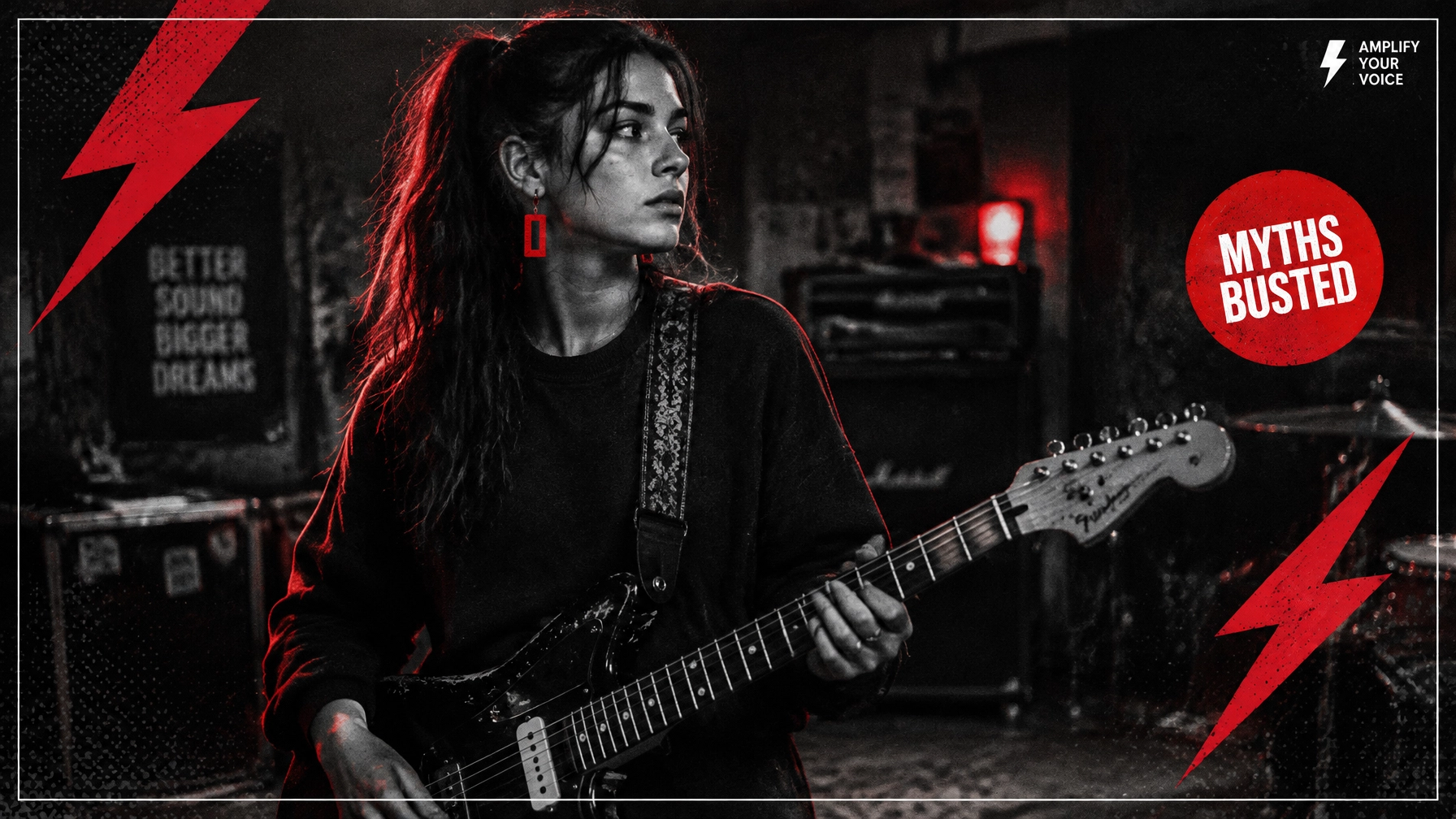
    Music industry myths debunked: gritty black-and-white photo of a female musician with guitar in red rim lighting, with red lightning bolt graphics and AMPLIFY YOUR VOICE brand mark

    These music industry myths are some of the most common misconceptions new artists believe, and this guide sets each one straight.

    Music industry myths vs. reality

    Separating music industry myths from reality is the first step toward building a realistic career. Each myth below is one artists hear constantly, and each one deserves a closer look.

    In an age marked by profound technological advancements, the music industry continues to evolve at a breathtaking pace. The landscape that new and established artists navigate today is wildly different from the one their predecessors encountered. As the industry evolves, so too do the misconceptions around it. Today, we’ll delve into some of the most common myths about the music industry and set the record straight, enabling you to make more informed decisions about your music career.

    Before we dive in, it’s essential to know that understanding the realities of the music industry could be the key to unlocking your potential as an artist. This understanding is the fundamental cornerstone of the “Amplify Your Voice: How To Gain More Exposure as an Artist” course, which we’ll talk more about later.

    Myth 1: Talent Alone Is Enough

    This is one of the oldest myths that continue to permeate the music industry. Although possessing talent is undoubtedly important, it’s far from being the only factor that can lead to success. In today’s highly competitive market, artists need to hone their marketing, networking, and business skills. Building a brand, engaging with fans, and understanding the financial aspect of the music business are critical in carving out a sustainable career in music.

    Myth 2: Record Deals Equal Success

    A prevailing myth is that signing with a major record label ensures automatic success. While this can potentially boost an artist’s career, it’s not a guaranteed ticket to fame and fortune. Many signed artists still struggle with visibility and profitability. Independent artists, on the other hand, often enjoy more creative control and a larger slice of their earnings. The key is to understand what aligns best with your goals as an artist.

    Myth 3: Streaming Services Are the Enemy

    With the advent of platforms like Spotify, Apple Music, and Tidal, some artists view these services as threats, primarily due to lower royalty payments. However, streaming services have democratized music distribution, allowing independent artists to reach audiences that were once out of their grasp. Embracing these platforms can be an integral part of a balanced digital strategy for artists seeking exposure.

    Myth 4: Social Media Is All You Need for Marketing

    While social media can be a powerful tool for promoting your music and connecting with fans, it should not be your only marketing strategy. Email newsletters, collaborations, live performances, and music videos are just some of the other essential components of a robust, multi-faceted marketing plan.

    Myth 5: More Gigs Equals More Success

    Playing live is a fantastic way to build a dedicated fanbase. However, performing too often, especially in the same local area, can lead to over-saturation. Instead, strategic gigging and targeting the right audiences can be more beneficial in the long run.

    Conclusion

    Armed with these insights, you can now navigate the music industry with a greater sense of reality. However, this is just the tip of the iceberg. The complexity of today’s music landscape calls for a comprehensive understanding of various components like music production, rights management, effective marketing strategies, and leveraging digital platforms for maximum exposure.

    This is where the “Amplify Your Voice: How To Gain More Exposure as an Artist” course comes in. This course provides an in-depth look at the music industry, equipping you with the knowledge and skills you need to build a successful career. You’ll learn from experienced industry professionals who’ve navigated the intricacies of the business and emerged victorious.

    There’s never been a better time to dispel the myths and invest in your future in music. With the right tools, understanding, and the will to persevere, you can transform your artistic aspirations into a sustainable career.

    Your path to music industry success is one click away. Enroll in the “Amplify Your Voice: How To Gain More Exposure as an Artist” course today and start your journey to becoming an industry-savvy artist.

    Keep Reading

    You can also explore RIAA for more artist resources. Dig into these next: how to promote your music, essential skills for a new artist, and how to promote your music.

    Frequently Asked Questions About Music Industry Myths

    Is talent alone enough to succeed in the music industry?

    No. Talent matters, but today's artists also need marketing, networking, and business skills to build a sustainable career, as this article explains.

    Do I need a record deal to be successful?

    No. A record deal can boost a career, but many independent artists enjoy more creative control and a larger share of their earnings. What matters is which path aligns with your goals.

    Are streaming services bad for artists?

    Not necessarily. Royalty rates per stream are low, but streaming platforms give independent artists reach that was once out of grasp, and they can be one part of a balanced digital strategy.

    Is social media enough to market my music?

    No. Social media is powerful, but a robust plan also includes email newsletters, collaborations, live performances, and music videos.

  • The Secret Recipe for a Hit Song

    The Secret Recipe for a Hit Song

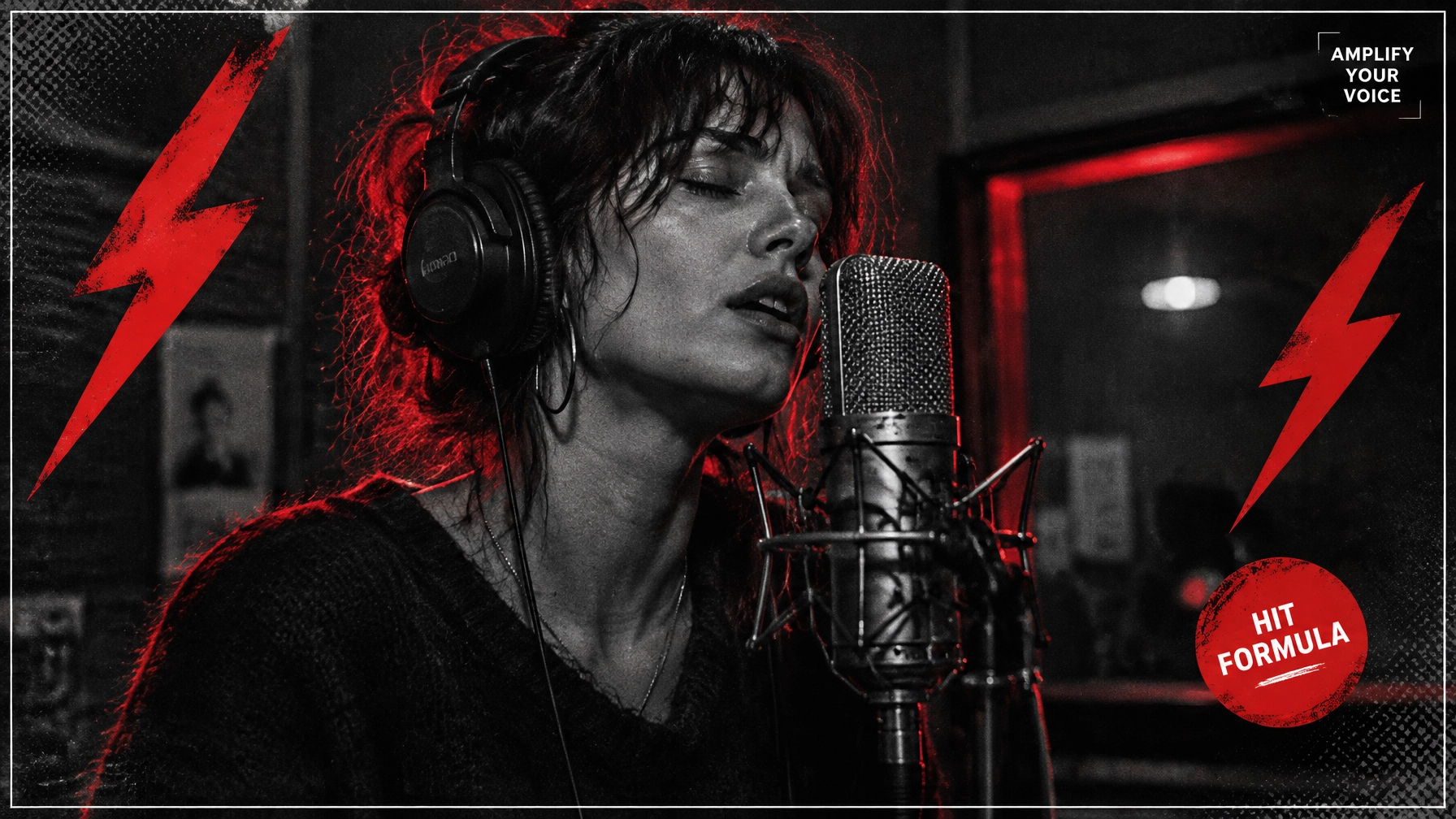
    How to write a hit song: gritty black-and-white photo of a female musician at a studio microphone in red rim lighting, with red lightning bolt graphics and AMPLIFY YOUR VOICE brand mark

    Artists often ask how to write a hit song, and while there is no guaranteed formula, the ingredients below consistently show up in chart-topping tracks. This guide on the secret recipe for a hit song breaks them down step by step.

    Creating a hit song: this elusive challenge has perplexed musicians and industry moguls alike for generations. From seasoned professionals to budding artists, everyone seeks to understand the formula behind a chart-topping single. But is there truly a secret recipe to creating a hit song? In the ever-evolving music industry, the answer is more complex than a simple “yes” or “no”. However, there are indeed certain key ingredients that, when combined just right, can result in a resounding success.

    Understanding the Music Landscape

    First and foremost, to create a hit song, it’s critical to comprehend the current music landscape. Music trends are constantly evolving, shaped by various factors like technological advancements, cultural shifts, and listener preferences. Whether it’s the resurgence of vinyl records or the rise of AI-generated tunes, staying attuned to these trends can help artists create music that resonates with today’s audiences.

    Crafting Compelling Lyrics

    Anyone studying how to write a hit song will tell you lyrics are where the emotional connection begins.

    Compelling lyrics are a crucial element in the secret recipe of a hit song. The right words can evoke powerful emotions and create connections with listeners. Whether it’s a heart-wrenching ballad or an upbeat anthem, lyrics that tell a captivating story or express universal emotions have a way of touching people’s hearts and making a song memorable.

    Memorable Melodies

    A catchy melody is another essential ingredient. Melodies that are easy to remember and hum along to tend to stick in people’s minds, helping to ensure a song’s popularity. The importance of a memorable hook – the most recognizable part of the song – cannot be overstated. A catchy, distinct hook can be the driving force that propels a song to the top of the charts.

    Quality Production

    The path of how to write a hit song runs through production: even the strongest lyrics need a clean, compelling recording to land.

    Top-notch production quality is another crucial factor. A well-produced song not only sounds better but can also help communicate the song’s emotion more effectively. With the availability of advanced music production software and technology, artists now have the tools to achieve high-quality production even in home studios.

    Marketability

    Lastly, but certainly not least, a song’s marketability significantly influences its potential to become a hit. This encompasses elements like the artist’s brand, the song’s relatability, and its potential for radio play or playlist inclusion. Marketability also extends to the song’s potential for use in other media like film, television, and advertisements.

    Navigating the Music Business

    Finally, understanding how to write a hit song also means understanding the business that carries it.

    While all these elements are vital, they’re just part of the puzzle. Navigating the music business successfully involves much more than just creating a great song. This is where expertise in music marketing, artist branding, and music business strategies becomes crucial. And this is where I want to help.

    Understanding the secret recipe for a hit song is only the beginning. If you’re an artist seeking to gain more exposure, you need a roadmap to navigate the intricate music industry. Enroll in the “Amplify Your Voice: How to Gain More Exposure as an Artist” course to gain comprehensive insights into how you can get your music heard by the masses.

    This course offers a deep dive into the music industry, providing practical strategies to effectively market your music, build your brand, and forge meaningful connections with your audience. With expert advice and guidance, you can unlock your true potential and elevate your music career.

    Cracking the code for a hit song might not be simple, but with the right knowledge, tools, and strategies, you can enhance your chances of making a significant impact in the music world. So don’t wait. Take the next step in your music journey and sign up for the “Amplify Your Voice: How to Gain More Exposure as an Artist” course today. Make your voice heard, and who knows, your hit song might just be around the corner.

    Enroll Now

    Keep Reading

    You can also explore Spotify for Artists for more artist resources. Go deeper with these guides: how to promote your music, how to promote your music, and essential skills for a new artist.

    Frequently Asked Questions About Writing a Hit Song

    Is there a secret formula for writing a hit song?

    No single formula exists, but certain ingredients — compelling lyrics, a memorable melody and hook, quality production, and marketability — consistently appear in successful songs, as covered in this article.

    What makes a song memorable?

    Usually a catchy, distinct hook: the most recognizable part of the song that sticks in listeners' minds.

    Does production quality matter that much?

    Yes. A well-produced song communicates its emotion more effectively, and modern software makes high-quality production achievable even in home studios.

    Can any song become a hit with enough marketing?

    Marketing amplifies a song's reach, but the song itself — its lyrics, melody, production, and marketability — shapes whether it resonates widely.

  • Resolutions for the Rising Artist: Building a Stronger Artistic Identity in 2024

    Resolutions for the Rising Artist: Building a Stronger Artistic Identity in 2024

    Hello, musical visionaries! As we step into 2024, it’s the perfect time to set intentions and resolutions that resonate with your artistic soul. Whether you’re a budding singer, an emerging songwriter, or a band on the brink of greatness, this year is about defining and refining who you are as an artist. Let’s explore how you can build a stronger, more authentic artistic identity that not only resonates with your true self but also captivates your audience.

    1. Discover Your Unique Sound

    Your sound is your musical fingerprint – unique, distinct, and entirely yours. This year, delve deep into what makes your music ‘you’. Experiment with different genres, blend unconventional styles or refine the one you love most. Remember, finding your sound is a journey, not a destination. It’s okay to evolve and change – that’s the beauty of artistry.

    For the bigger picture, my guide to gaining exposure as a new artist starts from the same place: know your sound first.

    2. Develop a Signature Style

    Just as your music speaks volumes, so does your style. It’s an extension of your music and an integral part of your brand. Whether it’s flamboyant, minimalist, vintage, or avant-garde, let your style reflect your music and personality. Attend fashion events, follow style influencers, or create mood boards to draw inspiration. Your style should be as memorable as your melodies.

    I break down the identity piece further in my guide to music branding for independent artists.

    3. Craft Your Story

    Every artist has a story – what’s yours? This year, focus on crafting a compelling narrative that shares your journey, inspirations, and dreams. Your story isn’t just what you’ve been through; it’s also where you’re headed. Share your story on your website, social media, and in interviews. Let your fans connect with the person behind the music.

    4. Strengthen Your Online Presence

    In the digital age, your online presence is your global stage. Dedicate time this year to building a robust online persona. Update your website, engage actively on social media, and explore new platforms. Consistency is key – regular posts, stories, and updates keep your audience engaged and eager for more.

    5. Focus on Songwriting and Composition

    Your songs are the heart of your musical identity. Commit to honing your songwriting and composition skills. Attend workshops, collaborate with other artists, or set aside dedicated time each day to write. Experiment with themes, narratives, and melodies. Remember, every great song starts with a single note.

    6. Invest in Your Vocal and Instrumental Skills

    Even the greatest artists never stop learning. This year, invest in vocal coaching or learn a new instrument. Improving your technical skills not only enhances your music but also boosts your confidence on stage and in the studio.

    7. Embrace Collaboration

    Collaboration can spark creativity in unexpected ways. Team up with different artists, producers, and songwriters. Each collaboration brings new perspectives, skills, and ideas. It’s about creating something together that you couldn’t achieve alone.

    8. Perform Live Regularly

    There’s no better way to connect with your audience than through live performances. Aim to perform regularly, whether at local gigs, open mics, or online live sessions. Each performance is an opportunity to showcase your talent, receive feedback, and grow your fan base.

    9. Practice Mindfulness and Self-Care

    As an artist, your well-being is crucial to your creativity. Incorporate mindfulness and self-care into your daily routine. Whether it’s meditation, exercise, or simply taking time to unwind, taking care of yourself fuels your artistic energy.

    My article on mental health in music goes deeper on protecting your well-being in a high-intensity industry.

    A musician doing vocal warm-ups with headphones on in a home studio at sunrise
    Skills compound quietly, one practice session at a time.

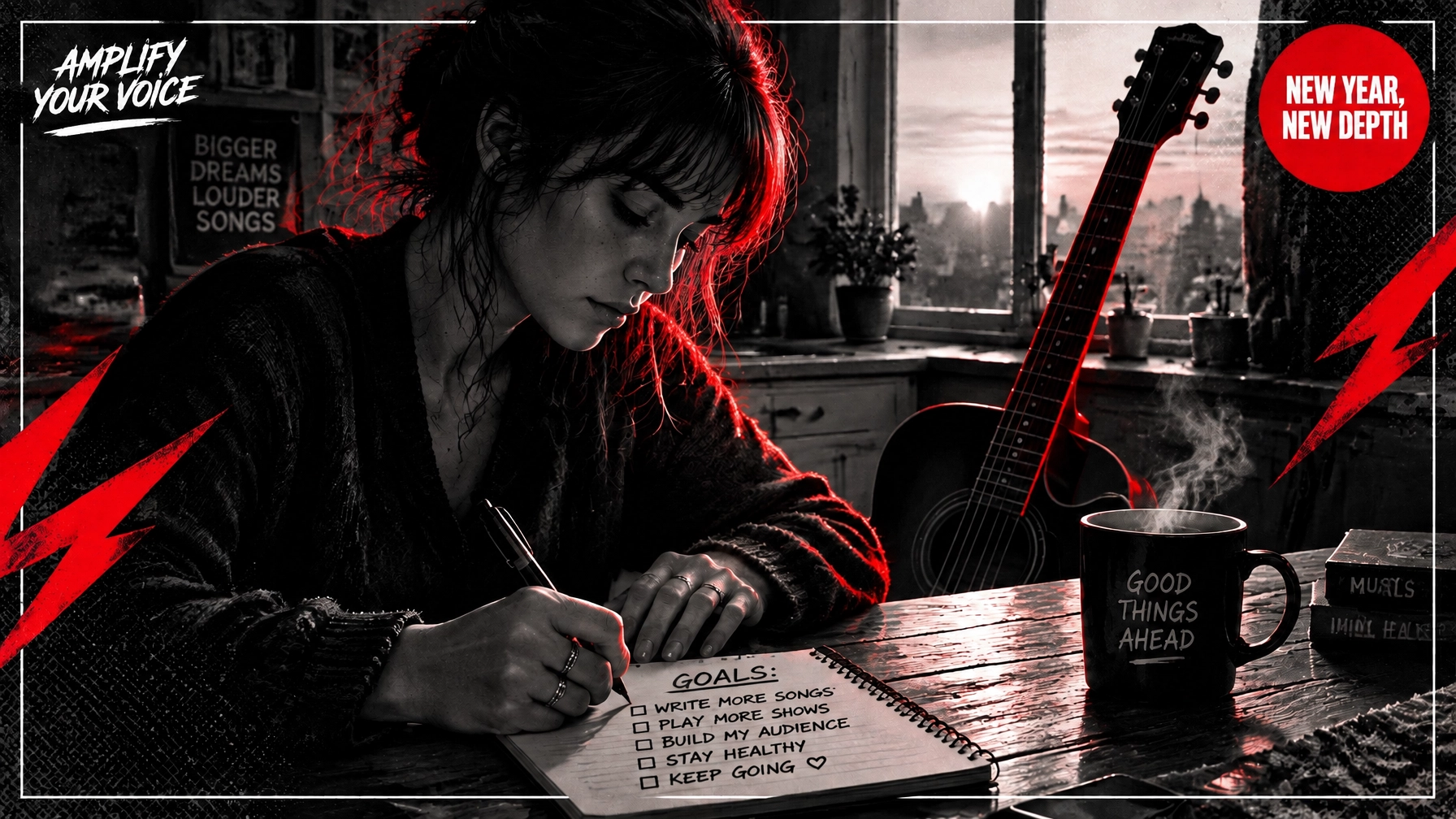
    10. Set Realistic Goals and Track Your Progress

    Goal setting is essential, but be realistic. Set achievable goals for your music career, whether it’s releasing a certain number of songs, reaching a follower milestone, or playing at a dream venue. Track your progress and celebrate your achievements along the way.

    11. Network and Build Industry Relationships

    The music industry is as much about who you know as what you know. Attend industry events, join music groups, and connect with professionals on social media. Building a strong network opens doors to opportunities and valuable collaborations.

    My step-by-step guide to networking in the music industry covers how to build real relationships without feeling fake.

    12. Stay Inspired and Keep Learning

    Feed your creative soul this year! Dive into a mix of music genres, explore insightful books, and watch documentaries that challenge your perspectives. Remember, each new insight is a potential spark for your next big hit.

    Keep Amplifying Your Voice

    A resolution becomes a plan when it has a system behind it. Her original invitation follows, then quick answers to common questions.

    And here’s a thought: Why not amplify this learning journey with the “Amplify Your Voice!” course? It’s the perfect New Year’s resolution to supercharge your music career. AYV is your gateway to mastering the music industry’s ins and outs, enhancing your promotional skills, and connecting with a community that gets your vibe, all while increasing your exposure and income. ENROLL NOW and turn those sparks of inspiration into a blaze of musical success. (Course details and enrollment: amplifyyourvoice.com)

    Conclusion

    As we embrace 2024, let these resolutions guide your journey toward a more authentic and powerful artistic identity. Remember, your artistry is a reflection of your unique spirit and vision. Stay true to yourself, stay passionate, and let your music speak your truth.

    Frequently Asked Questions About Artist Resolutions

    What are good New Year’s resolutions for musicians?

    Pick resolutions that build your career system: developing your sound, writing regularly, performing live often, strengthening your online presence, and setting realistic goals you can track. The twelve in this guide cover all of those.

    How do I set realistic goals as an artist?

    Make each goal specific and achievable, such as releasing a set number of songs or playing a named venue, then track your progress and celebrate along the way. Vague goals like get bigger quietly expire by February.

    How often should I perform live?

    Aim for a regular rhythm you can sustain, whether that is local gigs, open mics, or online live sessions. Consistency matters more than venue size at the start, because every performance builds your stagecraft and your fan base.

    Why is self-care part of an artist’s job?

    Your well-being is crucial to your creativity: burnout drains the very energy your art depends on. Meditation, exercise, and real rest are maintenance for your instrument, and that instrument is you.

    How do I build industry relationships this year?

    Attend industry events, join music groups, and connect with professionals on social media, then keep the relationships warm by being useful and reliable. Who you know opens doors; what you know keeps them open.

    #IndependentArtist #NewYearResolutions #MusicCareer #Songwriting #LiveMusic #ArtistBranding #MusicNetworking #SelfCareForArtists #GoalSetting #AmplifyYourVoice