Category: Uncategorized

  • How to Promote Your Music: A Release Campaign Independent Artists Can Actually Run

    How to Promote Your Music: A Release Campaign Independent Artists Can Actually Run

    Your release date is circled. The song is ready. You’ve posted “new music soon” once, then wondered if the internet got the memo. It did not. The internet has a lot going on.

    Here’s the direct answer to how to promote your music: treat each release as a campaign with a timeline, a clear audience, and more than one way for people to connect with you. Release day is the middle of that plan, not the whole thing.

    I’ve spent 25+ years building an award-winning Caribbean band since 1999, and co-founded and managed Latitude28 through international touring, TV, radio and press, a Times Square billboard, an Amazon Prime reality series, and placements with Disney, Hard Rock, and Margaritaville. I also studied music business at Berklee. The useful lesson for your campaign is simple: a song can open a door, but you need a plan for what happens next.

    Start with the listener, not the platform

    Before you pick a platform or schedule a post, name the listener you hope to reach. Not “everyone who likes music.” That’s a crowd too large to picture and too vague to speak to.

    Think about what they might already care about: a local scene, a dance community, a lyric about a specific experience, or a sound they can’t easily find elsewhere. A Chutney Soca artist might speak to fans who follow Caribbean music and community events. A bedroom-pop songwriter might reach listeners through intimate performance clips and a story behind a lyric.

    Make one clear invitation. Ask people to save the song, join your email list, share a video, or come to a show. You can invite them to do more than one thing over a campaign, but don’t cram every possible ask into one caption. A new listener needs a reason to care before they need your full career plan.

    Build a runway before release day

    Figuring out how to promote your music usually starts here: the weeks before release matter more than release day itself. A six-week runway gives you room to prepare and talk about the music without turning your feed into one long countdown. You can start later if needed, but work backward from a release date that leaves enough time for your distributor to deliver the music and for platforms to process it.

    For the bigger picture beyond one release, this guide to music marketing covers the full system, and this one on music branding covers making yourself memorable in the first place.

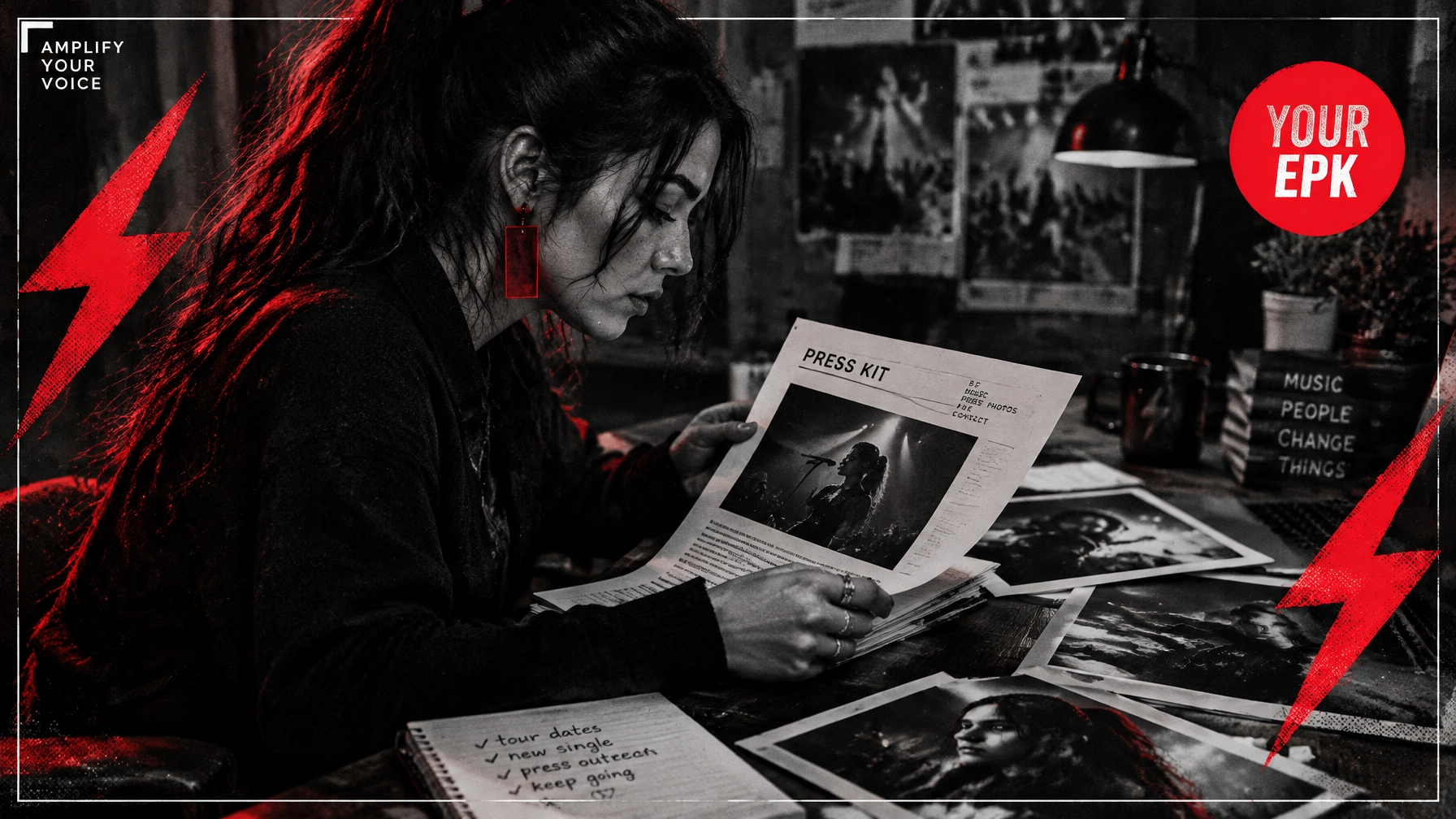
    Get the basics ready: Confirm the master, artwork, credits, release date, and artist profiles. Check the song appears correctly after delivery. Make one clean link page for listening, and prepare a short bio, a few strong photos, vertical video clips, and a short explanation of the song. For press or venue outreach, keep a simple electronic press kit (EPK) (a page or folder with your bio, music, photos, and live information) ready to share.

    Make a short, relevant pitch. Tell a local radio host, music writer, creator, or venue why this release might fit their audience. Include the release date, one listening link, a sentence about the track, and a specific request. For example: “I’m releasing a new Afropop single on [date]. Would you consider it for your community music segment? Here’s a private listening link and a short bio.” That’s a starting template, not a promise of coverage.

    Spotify lets artists pitch an unreleased song to its playlist editors through Spotify for Artists. Its guidance recommends pitching at least two weeks before release; the pitch is for consideration, not a guarantee. Include a clear description of the sound, story, and relevant context. Read Spotify’s release guidance and playlist pitching information before submitting.

    Copy this week-by-week release promotion checklist

    A female musician mapping her release plan on a wall calendar in a red-lit rehearsal room

    A release plan on paper: use the timeline as a planning aid, and check platform requirements yourself.

    • Six weeks out: Set the date, confirm delivery timing, choose one focus track, and decide what you want the campaign to do. Gather your assets.
    • Five weeks out: Update your artist profiles and make a simple release link page. Draft your bio, pitch, email, and captions.
    • Four weeks out: Start sharing context: a lyric, a rehearsal moment, or the story behind the track. Send thoughtful, individual pitches to relevant press, radio, creators, collaborators, and venues.
    • Three weeks out: Share a preview and invite people to join your email list or follow you. Confirm that your release appears correctly in your distributor’s dashboard.
    • Two weeks out: Submit your unreleased focus track for Spotify playlist consideration if eligible. Ask collaborators to agree on what they’ll share and when.
    • Release week: Send one clear email or message to your existing audience. Share the live link, your strongest video, and a specific invitation. If you have a show, connect the release to it.
    • One to four weeks after: Share new angles on the song, thank people who took part, follow up with contacts, and review what led to meaningful actions.

    Release day is the middle, not the end

    A big part of learning how to promote your music is knowing that release day is not the finish line. On release day, make it easy for people to hear the music. Put the direct link where your audience can find it, post one strong clip, send your email, and ask collaborators to share if they’ve agreed to. If you’re playing locally, tell people what the song has to do with the show. A release is more useful when it points toward something else: a live performance, a meaningful connection, or a reason to stay in touch.

    Then keep going. In the weeks after release, try an acoustic version, a live take, a lyric explanation, a collaborator’s perspective, or a short video about how you made the track. Don’t just repost the release announcement with a different emoji. You have more than one story to tell about the same song.

    How to promote your music between releases?

    This is where a lot of promotion plans go quiet. You don’t have to manufacture a release every week to stay connected. Share useful, honest pieces of the work already happening: rehearsal clips, a gig announcement, a songwriting choice, a fan question, or a recap of what you learned from the last release.

    Make a manageable rhythm. For example, pick one weekly post that helps people understand your sound or personality, and one that invites them to participate: reply, join the list, come to a show, or share a recommendation. Keep the invitation connected to your bigger career. A gig can build local relationships. An email signup gives you a way to reach listeners beyond a social feed. Merch or a ticket can create income beyond streaming.

    For a deeper look at turning content into a repeatable plan, see our guide to planning social media around a music release.

    Free versus paid: spend where you can learn

    A female musician reviewing her small promotion budget on her phone and notebook late at night

    Make a clear plan for any promotion budget before spending it.

    Free can be effective. Your artist profiles, direct messages to existing fans, email, thoughtful press outreach, and Spotify’s editorial pitch tool don’t require an ad budget. They do require time and care.

    Pay for something you can assess. A small ad test may help you learn whether a particular video or audience responds. Before spending, decide what action you’re paying to encourage: a link click, email signup, ticket purchase, or another useful step. If you can’t tell whether the spend helped, pause and rethink the plan.

    A hypothetical example: if you have $150 available, you might put $100 toward making a strong lyric video and reserve $50 to test it with a small ad. That’s an example, not a recommended budget or a promise of results. Don’t borrow money for uncertain promotion.

    Be wary of anyone selling guaranteed streams or guaranteed editorial playlist placement. Spotify’s pitching tool is available to artists directly, and playlist consideration is not guaranteed. Avoid services that promise artificial streams; they can put your release and account at risk.

    Track actions that can build a career

    Views can be interesting. They aren’t the whole story. Track link clicks, saves, shares, email signups, ticket sales, replies, and the cost of any paid test. Compare what you posted with what people actually did. Did the live clip lead to local show interest? Did a behind-the-scenes post bring more signups than a polished teaser? Those are clues for your next campaign.

    Keep the bigger system in view: your brand helps listeners recognize you; your content gives them a reason to engage; your relationships can lead to press, collaborations, or gigs; and direct offers can create income beyond streaming. The promotion plan is there to connect those pieces. For a wider roadmap, explore the Amplify Your Voice course.

    Common promotion mistakes to avoid

    Most articles about how to promote your music skip the uncomfortable part: the mistakes. Starting too late: A rushed campaign leaves little room for delivery checks, pitching, or useful outreach. If the deadline is close, simplify the plan rather than pretending you have six weeks.

    Posting without a purpose: “Listen now” is a request, not a reason. Share a piece of the song’s story, sound, or live context so people know why they might care.

    Paying for empty numbers: Large view counts don’t automatically mean listeners, fans, or ticket buyers. Don’t spend money on activity you can’t connect to a meaningful outcome.

    Going silent afterward: The first post doesn’t finish the job. Keep sharing the song in new ways and make space for the people who respond.

    Frequently asked questions

    How much does music promotion cost?

    It can cost nothing but your time, or more if you pay for video production, advertising, public relations, or other help. Set a limit you can afford and choose a measurable goal before spending.

    How long before release should I start promoting?

    A six-week runway is a practical target for preparing assets and building awareness. For Spotify playlist consideration, its current release guidance recommends pitching at least two weeks ahead.

    Do I need a publicist to promote a release?

    No. You can begin with direct outreach, your existing audience, and a clear release plan. A publicist may be useful when you have a specific campaign need and the budget to hire one, but they can’t guarantee coverage.

    How do I get on playlists?

    Pitch an unreleased track through Spotify for Artists and describe its sound, story, and context accurately. You can also build relationships with independent playlist curators, but don’t pay anyone who promises guaranteed editorial placement.

    What’s the best platform to promote music on?

    The best platform is the one where your intended listeners are active and where you can show up consistently. Start with one or two channels you can manage, then use your results and direct audience feedback to decide what to add.

    Keep Amplifying Your Voice

    If you’re still finding your footing, start with the free guide, Top 10 Mistakes New Artists Make & How to Avoid Them. It’s a practical next step for building your music career without guessing your way through every decision.


    Supporting notes: editorial, not for publication

    • SEO title: How to Promote Your Music: A Realistic Release Plan
    • URL slug: how-to-promote-your-music
    • Meta description (165 characters): How to promote your music with a realistic release timeline, low-cost ideas, playlist pitching steps, and practical ways to keep listeners engaged beyond release day.
    • Internal-link suggestions: Add links to the new WordPress music marketing and music branding posts when their URLs are confirmed. Suggested anchors: “build a practical music marketing plan” and “create a memorable artist brand.” URLs not supplied; do not invent them.
    • Image checks: Confirm alt text against final image before publishing. Hero filename: music-release-campaign-hero.png, suggested alt text: “A musician silhouette with a guitar stands along a red line connecting a calendar, waveform, envelope, ticket, and sunrise on cream paper.” Timeline filename: music-release-promotion-timeline.png, suggested alt text: “A release timeline illustration connects preparation icons, a record and calendar, and post-release video, ticket, and fan icons.” Budget filename: independent-music-promotion-budget.png, suggested alt text: “A coin jar, microphone, phone with a waveform, calendar, and email illustrate planning a small music promotion budget.” These are generated illustrations, not depictions of AYV artists or events. Captions are included above; if used as decorative images in the publishing platform, use empty alt text where supported.
    • Hashtags for social sharing (not a claim about ranking): #IndependentArtist #MusicBusiness #MusicMarketing #MusicPromotion #MusicRelease #ArtistDevelopment #ReleaseStrategy #MusicCareer #Songwriter #AmplifyYourVoice

  • Essential Skills for a New Artist: What I Wish I Knew

    Essential Skills for a New Artist: What I Wish I Knew

    Essential skills for a new artist: gritty black-and-white photo of a young female musician with guitar in red rim lighting, with red lightning bolt graphics and AMPLIFY YOUR VOICE brand mark

    These are the essential skills for a new artist, the ones I wish I had focused on earlier: the ten abilities below shape everything else in your career.

    The essential skills for a new artist

    Mastering these essential skills for a new artist takes time, and nobody masters all ten at once. Start with the ones closest to where you are right now.

    As a new artist breaking into the music industry, talent and passion are vital. However, beyond the music itself, several key skills can significantly enhance your career trajectory. In retrospect, I wish I had known and developed these skills earlier in my journey. Today, I’m sharing this wisdom with you, so you can equip yourself with the essential skills for a successful music career.

    1. Songwriting

    Songwriting forms the backbone of any musician’s career. Even if you predominantly perform cover songs or pieces written by others, a deep understanding of songwriting can enhance your artistic range. When you comprehend the craft of creating a song – the weaving of melody, harmony, and lyrics – you’ll naturally have a better understanding of the songs you perform. This knowledge helps you interpret the song’s essence more accurately, and deliver it in a way that resonates with your audience. Furthermore, it aids in appreciating the emotional narrative behind the lyrics, allowing you to connect more deeply with the music and express it more convincingly. Regardless of your musical aspirations, developing your songwriting skills can profoundly enrich your artistic expression and delivery.

    ENHANCING YOUR SONGWRITING SKILLS

    Practice is key to improving your songwriting. Write as often as possible, experiment with different styles and structures, and don’t be afraid to rewrite and revise. Reading books, taking songwriting workshops, and studying the work of successful songwriters can also be incredibly helpful.

    2. Instrument Proficiency

    While mastering an instrument isn’t a prerequisite for becoming a successful musician, it undeniably opens up a world of creative possibilities. When you’re able to play an instrument, you have a more profound connection with the core components of your music—melody, harmony, rhythm. You can experiment, craft, and tweak these elements in real-time, thereby having greater control over your compositions. This skill also broadens your musical palette, allowing you to express your creativity in multifaceted ways. You can explore different genres, create unique sounds, and infuse your individuality into your music. So, even though it’s not a necessity, the ability to play an instrument could be a game-changer in your artistic journey, transforming you from a performer to a comprehensive musician.

    DEVELOPING INSTRUMENT PROFICIENCY

    Again, practice is crucial. Regular, focused practice will help you improve your proficiency over time. Consider taking lessons from a professional, either in-person or online, to ensure you’re learning proper technique.

    3. Vocal Technique

    Regardless of your genre or style, a good vocal technique is fundamental to your success as an artist. Think of your voice as an instrument – it needs to be maintained and played correctly to deliver the best performance. Proper vocal technique focuses on breathing, pitch control, tone production, and articulation, helping you to sing more effectively and consistently. More importantly, it promotes vocal health, preventing strain and potential damage that can occur from misuse. It enables you to expand your vocal range, adding versatility to your performance. Additionally, mastering good vocal technique can bring out the unique qualities of your voice, enhancing your overall performance and setting you apart in the industry. Therefore, investing time in refining your vocal technique can bring long-term benefits to your music career.

    IMPROVING VOCAL TECHNIQUE

    Working with a vocal coach can be invaluable in improving your vocal technique. A coach can provide personalized feedback and exercises to strengthen your voice. Remember, vocal health is crucial, so learn proper techniques to avoid strain or damage.

    4. Stage Presence

    Commanding the stage goes beyond merely executing a rehearsed performance. It’s an art in itself – the art of connecting, engaging, and making your audience feel. It’s about taking them on a journey, where they’re not just passive listeners but active participants in the experience. This connection isn’t born out of extravagant theatrics or a flawless performance; it emerges from authenticity, passion, and the willingness to share a piece of yourself with the audience. When you cultivate this ability, every performance becomes a unique conversation between you and your audience. It’s not just about them remembering your songs; it’s about them remembering the experience, the emotion, and the story that you shared. This deeper, emotional connection is what turns casual listeners into loyal fans and makes your performances truly unforgettable.

    CULTIVATING STAGE PRESENCE

    Stage presence is about authenticity and connection. Watch performances by artists you admire and note what engages you. Experiment with different ways of interacting with your audience. Practicing in front of a mirror, recording your performance, or performing in front of friends can provide valuable feedback.

    5. Networking

    In the dynamic landscape of the music industry, your network can often be your most powerful asset. Much like in other sectors, the adage “it’s not what you know, it’s who you know” holds significant weight. Forming genuine relationships within the industry can pave the way to invaluable opportunities, ranging from collaborations to performance gigs, and even record deals. A well-connected artist has access to resources, knowledge, and platforms that might otherwise remain out of reach. Networking isn’t merely a transactional process, but rather it’s about fostering mutually beneficial relationships over time. This can be achieved by attending industry events, engaging on professional platforms, and offering support to others when you can. As you build your network, you’re essentially opening doors to a multitude of opportunities that can propel your music career forward.

    BUILDING YOUR NETWORK

    Networking is about building relationships. Attend industry events, be active on social media, collaborate with other musicians, and don’t be afraid to introduce yourself to industry professionals. Remember, networking is a two-way street. Find ways to support others in your network as well.

    6. Digital Marketing

    In today’s digital age, mastering online promotion is crucial for any new artist. Effective utilization of social media platforms, for instance, allows you to engage directly with your audience, create a community, and announce new music or concerts. Being consistent with posts and interactions can increase your visibility and help grow your fan base. Understanding Search Engine Optimization (SEO) is equally important; it’s how you ensure your music is discoverable on platforms like Google or YouTube. Properly used keywords, meta descriptions, and backlinks can significantly increase the reach of your music. Lastly, leveraging online advertising tools, such as Google AdWords or Facebook Ads, can help target your music to specific demographics, boosting your exposure to potential fans. Each of these components is a vital piece of the digital puzzle for promoting your music and growing your audience.

    MASTERING DIGITAL MARKETING

    There are many resources available online to learn digital marketing. Start by understanding the basics of social media marketing, SEO (Search Engine Optimization), and email marketing. Consider taking online courses or attending webinars. Always keep your audience in mind when creating marketing strategies.

    7. Business Acumen

    Grasping the business side of the music industry is critical for any artist seeking to transform their passion into a profitable venture. It’s not just about making great music – it’s also about knowing how to protect and profit from your work. Understanding contracts, for instance, can ensure you’re not inadvertently signing away your rights or underpricing your talent. Knowing how to effectively monetize your music can open up multiple revenue streams, from streaming royalties to licensing fees. Plus, understanding copyright laws and intellectual property rights can shield you from exploitation and ensure you’re adequately rewarded for your creativity. In essence, business acumen in the music industry equips you with the knowledge to navigate the landscape confidently, making informed decisions that safeguard your interests and boost your income.

    ACQUIRING BUSINESS ACUMEN

    Understanding the music business can be complex, but there are plenty of resources out there. Read books about the music industry, attend industry conferences, or take courses on music business, like our AYV COURSE. You might also consider finding a mentor in the industry to guide you.

    8. Audio Production

    Understanding the basics of audio production can significantly impact your ability to create the sound you envision for your music. This knowledge allows you to communicate effectively with producers and engineers, giving you a language to articulate your ideas and preferences clearly. Instead of relying solely on subjective descriptions, you can use industry-specific terminologies and concepts, ensuring that your team understands your vision. Furthermore, a grasp on audio production lets you take part in technical discussions about mixing, mastering, and sound design. This active participation empowers you to steer the production process, resulting in a final product that truly represents your artistic vision.

    UNDERSTANDING AUDIO PRODUCTION

    While you don’t need to become a full-fledged producer, a basic understanding can be beneficial. There are many online resources where you can learn about recording techniques, mixing basics, and music software. Working closely with a producer can also provide hands-on learning.

    9. Resilience

    The music industry, much like any creative field, is a rollercoaster ride of highs and lows. It’s characterized by soaring triumphs and steep challenges, including facing rejection, handling criticism, and enduring periods of uncertainty. Rejection may come from record labels, criticism from fans or peers, and uncertainty can be a constant companion. This is where resilience becomes an artist’s secret weapon. Building resilience allows you to weather these storms and come out stronger. It enables you to view rejection not as a personal failure, but as an opportunity for growth and improvement. Criticism becomes a tool for sharpening your artistry, and periods of uncertainty turn into fertile ground for creativity and innovation. Nurturing resilience can transform your perspective, turning challenges into stepping stones towards success in your music career.

    BUILDING RESILIENCE

    Resilience is often developed through experience. However, maintaining a positive mindset, setting realistic expectations, and taking care of your mental health can help. Don’t be afraid to seek support from friends, family, or a mental health professional.

    10. Adaptability

    The music industry, like most other fields, is dynamic and always in a state of flux. New technologies, changing consumer behavior, and evolving distribution platforms continuously shape and reshape the musical landscape. Being adaptable in this context means having an open mind to the endless possibilities that the future holds. It involves a willingness to learn, experiment, and embrace new trends, techniques, and technologies that could potentially enhance your music and how you deliver it to your audience. Whether it’s harnessing the power of social media, creating engaging music videos, exploring new genres, or using emerging platforms for music distribution, adaptability ensures that you continue to resonate with your audience and stay relevant amidst the industry’s constant evolution. This capacity to adapt will not only ensure your survival in the music industry but can also offer exciting avenues for creative growth and innovation.

    ADAPTING TO INDUSTRY CHANGES

    Keep up with the latest trends and changes in the music industry. Read industry news, follow influential people in the industry, and be open to new ideas and technologies.

    In closing, remember that these skills are meant to support and enhance your musical talent and passion, not replace them. As you continue to grow as an artist, these skills will become more refined and integrated into your music career. Remember, becoming successful in the music industry is a journey, not a destination.

    If you’re looking for more guidance on how to navigate the music industry, consider enrolling in my comprehensive music course. I’ve designed this course with the aim to help new artists avoid common pitfalls, gain exposure, and build a sustainable income.

    Keep honing your craft, stay persistent, and remember to enjoy the journey. After all, the passion for music is what brought you here. Let it be the driving force as you navigate your path in the music industry.

    #MusicCareerSkills

    #NewArtistGuide

    #MusicIndustryInsights

    #SuccessInMusic

    #MusicBusinessBasics

    #EmergingMusicians

    #ArtistDevelopment

    #MusicIndustryTrends

    Keep Reading

    You can also explore Berklee for more artist resources. Build on these skills with music branding for independent artists, music marketing for independent artists, and how to promote your music.

    Frequently Asked Questions About Essential Skills for New Artists

    What skills does a new artist need most?

    The ten covered in this article: songwriting, instrument proficiency, vocal technique, stage presence, networking, digital marketing, business acumen, audio production, resilience, and adaptability.

    Do I need to master an instrument to succeed?

    No — as the article says, it isn't a prerequisite. But playing an instrument deepens your connection to melody, harmony, and rhythm, and expands your creative possibilities.

    Why do musicians need business skills?

    Business acumen protects and profits your work: understanding contracts, monetization, copyright, and intellectual property helps you avoid exploitation and build multiple revenue streams.

    How do I build resilience in the music industry?

    Through experience, plus a positive mindset, realistic expectations, and caring for your mental health. The article also encourages seeking support from friends, family, or a mental health professional.

  • Year-End Tax Tips for Independent Musicians: What to Organize Before Filing Season

    Year-End Tax Tips for Independent Musicians: What to Organize Before Filing Season

    Generated illustrative scene; not a real AYV artist or event.

    January has a way of turning that shoebox of receipts in your guitar case into a very personal problem. The fix is not a heroic weekend with a calculator. Getting your musician taxes organized comes down to a simple year-end checklist: gather your income records, sort your expenses, reconcile your accounts, and check what you may owe before filing season starts.

    After 25+ years building an award-winning Caribbean band since 1999 and co-founding and managing Latitude28, I know a music career has a lot of moving parts. The business side needs its own system, too. This guide will help you build one. It’s general education, not tax advice. Tax rules depend on your situation and can change, so confirm decisions with a qualified tax professional in your country.

    Why musicians often have self-employment income

    If you earn money from gigs, sessions, lessons, merch, streaming, licensing, or other music work, some of that income may be self-employment or business income. But don’t assume every music payment is treated the same way. Your working arrangement matters: a venue, orchestra, or other payer may treat you as an employee for one job and a contractor for another.

    In the U.S., payers may send forms such as a 1099-NEC or 1099-MISC. Those forms are useful records, not a complete account of your income. The IRS says gig workers must report income even if they don’t receive a 1099. In Canada, there isn’t one universal freelance “1099 for musicians.” You may receive slips such as a T4A in some situations, but you still need to track and report your income. The CRA’s guidance for artists and writers explains how an artist’s status and type of income can affect tax treatment.

    Gather your income and expense records for your musician taxes

    Income first. Download statements from every place money might have come from: streaming services and distributors, performance and session payers, merch platforms, teaching clients, licensing or publishing accounts, grants, and payment processors. Save contracts, invoices, gig settlement sheets, receipts for cash sales, and any tax forms you receive. Track the amount earned and the amount deposited separately when a platform takes fees or commissions.

    Then gather expenses. Pull statements from business bank accounts and cards, along with receipts, invoices, mileage logs, and records for equipment purchases. A bank statement shows that money moved; it may not show what you bought or why it was for your music work. Add a short note to unclear expenses while you still remember them.

    Create folders by category, either digitally or on paper. Give files useful names, such as 2026-04-18-rehearsal-room-receipt. Keep a backup. The IRS has recordkeeping guidance for small businesses, and the CRA explains its expectations for keeping business records.

    A woman reviews receipts beside a laptop in a rehearsal room while organizing her musician taxes.

    Generated illustrative scene; not a real AYV artist or event.

    Track possible music business deductions carefully

    Some expenses may be deductible if they meet the rules where you file and you have records to support them. These are common categories to discuss with a tax professional, not a promise that a particular purchase qualifies.

    • Gear and supplies: instrument repairs, strings, reeds, cables, and recording supplies. Expensive instruments, computers, or studio equipment may be treated as assets and deducted over time rather than all at once.
    • Software and subscriptions: recording, distribution, scheduling, or business tools used for your work. For mixed personal and business use, track a reasonable business portion.
    • Studio and workspace: rehearsal-room or studio rental may qualify; home studio and home-office expenses have specific requirements. Don’t assume the spare room where you keep a keyboard automatically counts.
    • Travel to gigs: keep dates, destinations, business purpose, and mileage or transportation receipts. Rules for vehicles, meals, lodging, and travel vary.
    • Promotion and education: advertising, website costs, professional photos, and training related to your work may be relevant. Keep the receipt and be ready to explain the business connection.
    • Professional services: accounting, legal, agent, or other professional fees connected to your music activity may belong in your records.

    For example, a Chutney Soca performer might track strings, rehearsal space, gig travel, and promotion for a live event; a bedroom-pop artist might track recording software, session-player invoices, and distribution costs. The genre changes. The need for clear records doesn’t. The CRA’s artist and writer guidance lists examples and explains that expenses must meet applicable requirements. In the U.S., see the IRS self-employed tax center.

    A woman in a rehearsal room reviews a receipt beside a phone and music equipment, with a guitar and headphones on the table.

    Generated illustrative scene; not a real AYV artist or event.

    Keep personal and music money separate

    A separate account and card for music activity can make income and expenses much easier to follow. It doesn’t magically make every transaction deductible, but it helps you see what belongs to the work and what belongs to your personal life.

    If one bill serves both, record how you calculated the business share and keep that method consistent. Don’t put your regular personal streaming subscription, everyday clothes, or a family road trip in the music column just because you listened to your mix or discussed a gig along the way. When it’s genuinely mixed-use, ask your tax professional how to treat it.

    Remember estimated tax payments

    When tax isn’t withheld from your income, you may need to pay as you earn it rather than waiting until you file. In the U.S., self-employed people may need estimated payments during the year; the IRS lists the general payment dates as April 15, June 15, September 15, and January 15. For 2026, the January payment falls on January 15, 2027. Check the IRS’s current estimated-tax guidance for your circumstances and any date adjustments.

    In Canada, required individual instalments are generally due March 15, June 15, September 15, and December 15. Check the CRA’s current instalment due dates. The rules and thresholds differ between countries, and not every artist will have the same payment obligation. Keep a record of any payments you make; don’t rely on your memory when filing season arrives.

    What to do before December 31

    Set aside one focused session and work through these steps:

    1. Send or confirm outstanding invoices. Check that every gig, session, lesson, or other job has an invoice or payment record. Note what’s still unpaid.
    2. Reconcile your accounts. Compare bank, card, processor, and platform statements with your income and expense records. Follow up on gaps and duplicate entries.
    3. Log business travel. Add missing dates, destinations, purpose, and mileage while the details are still fresh.
    4. Update equipment records. List major purchases, purchase dates, costs, and business use. Flag items that may need special tax treatment.
    5. Back everything up. Save digital records in a second secure location and keep paper documents organized.
    6. Review your tax-payment status. Compare your records with your estimated payments or instalments, and ask a professional if you’re unsure what remains due.

    A woman with red earrings holds a phone and notebook beside an open vehicle trunk with music gear and cables.

    Generated illustrative scene; not a real AYV artist or event.

    Copyable year-end checklist

    Template, adapt this checklist to your country and situation.

    • Download bank, card, payment processor, distributor, and royalty statements.
    • List income by source: gigs, sessions, teaching, streaming, merch, licensing, and other work.
    • Collect tax slips or forms received; compare them with your own income records.
    • Gather receipts and invoices; sort expenses by category.
    • Record business-use portions for mixed personal and business costs.
    • Update mileage, travel, and equipment records.
    • Check unpaid invoices and reconcile all accounts.
    • Back up your records.
    • Review estimated tax or instalment payments with a qualified professional.
    • U.S.: Check IRS forms and estimated-payment rules. Canada: Check CRA requirements, including whether your business income and expenses belong on Form T2125.

    When to get a tax professional

    Get qualified help if this is your first year filing self-employment income, you have income from more than one country, you tour internationally, you received a grant or unusual royalty payment, you bought major equipment, or you’re unsure whether you’re an employee or contractor. Bring your income summary, expense categories, receipts, tax forms, payment records, contracts, and questions. A clean folder can make that conversation more useful.

    If you didn’t track expenses during the year, don’t invent numbers or give up. Rebuild the record from statements, receipts, invoices, and platform histories. Mark anything uncertain and ask your preparer how to handle it. This is general education, not legal or tax advice.

    Frequently asked questions

    Do musicians pay taxes on streaming income?

    Often, yes. Streaming and royalty payments may be taxable, but their treatment can depend on the source, your status, and the rules where you file. Track statements and payouts, even if no tax form arrives.

    What expenses can musicians deduct?

    Potentially deductible expenses may include qualifying gear costs, repairs, software, studio rent, business travel, promotion, professional fees, and related training. Eligibility and treatment depend on the facts, documentation, and local rules; confirm with a qualified tax professional.

    Do I need an LLC to report music income?

    Not necessarily. In the U.S., many independent artists report sole-proprietor business activity without forming an LLC, but an LLC is a legal structure with implications beyond taxes. Canadian business structures differ. Get professional advice before choosing one.

    What if I didn’t track expenses?

    Rebuild your records from receipts, statements, invoices, and payment histories. Don’t guess or claim expenses you can’t support; ask a tax professional what documentation and options apply to your situation.

    When are quarterly estimated taxes due?

    The dates depend on where you file. U.S. federal estimated payments generally follow April 15, June 15, September 15, and January 15; Canadian individual instalments generally follow March 15, June 15, September 15, and December 15. Check the current IRS or CRA rules for your situation.

    Keep Amplifying Your Voice

    Building a music career means learning the business around the music, too. If you’re still getting organized, start with the free guide, Top 10 Mistakes New Artists Make & How to Avoid Them. It’s a practical place to build stronger habits before the next filing season.

  • Mental Health and Music: How to Stay Balanced in a High-Intensity Industry

    Mental Health and Music: How to Stay Balanced in a High-Intensity Industry

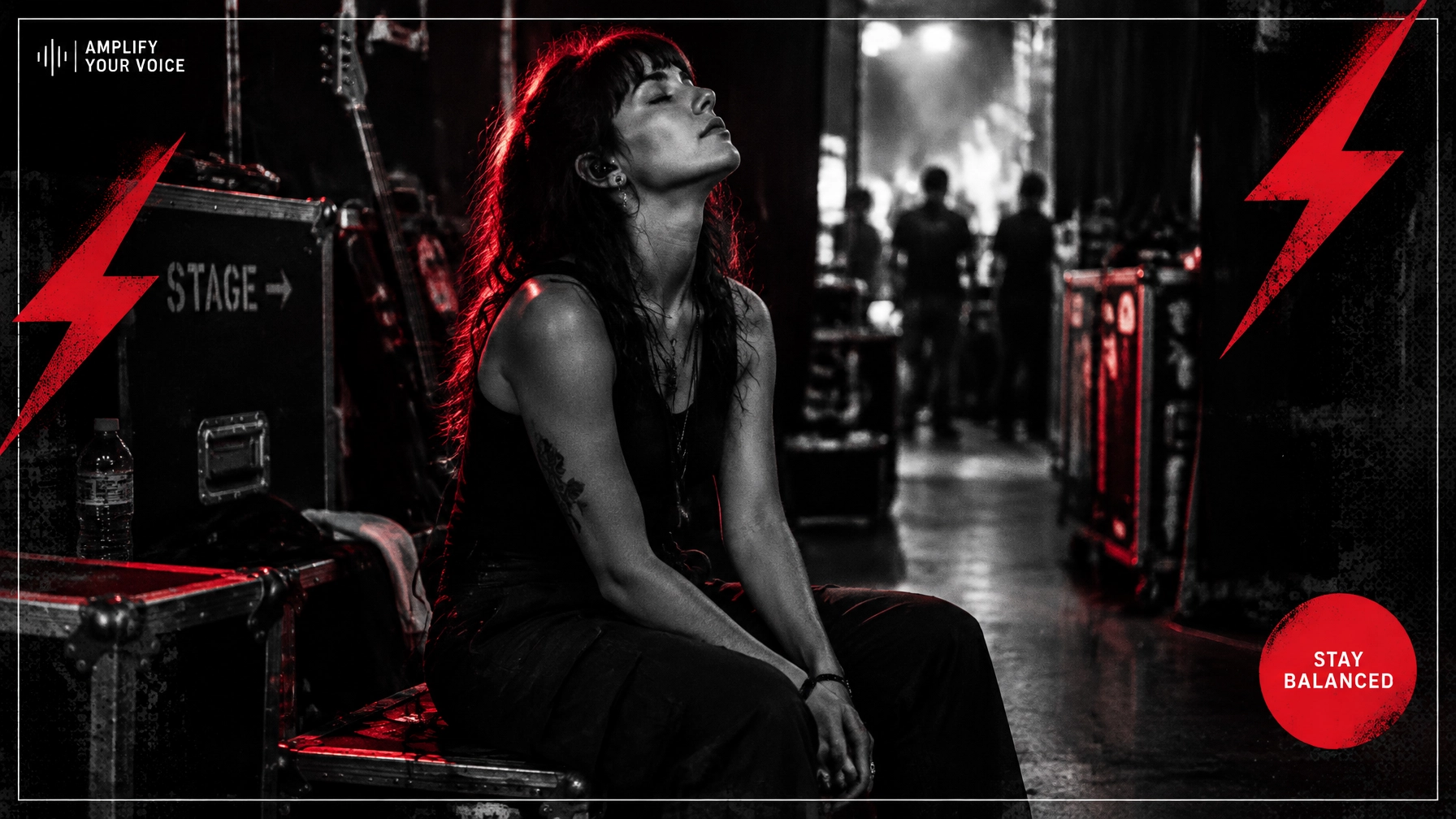
    Mental health and music: gritty black-and-white photo of a female musician taking a quiet moment in red rim lighting, with red lightning bolt graphics and AMPLIFY YOUR VOICE brand mark

    Mental health and music careers are deeply connected, and talking about it openly matters. This guide covers the pressures of the industry and practical ways to stay balanced.

    Mental health and music: why the conversation matters

    Mental health and music careers are intertwined: the same sensitivity that fuels great art can make the pressures of the industry heavier. This guide is about protecting both.

    The music industry, with its dynamic blend of creative ingenuity and high-energy performance, has often been referred to as a whirlwind, vibrant, yet chaotic and unpredictable. Amid the exhilarating rush of concerts, tours, album releases, and late-night recording sessions, there lies an undercurrent of stress, anxiety, and burnout that is not spoken about as often as it should be. Mental health and wellness in the music industry has long been a topic shrouded in silence. Today, we break that silence and dive deep into the conversation about mental health in music.

    The High Notes and Low Notes

    Stress and anxiety are companions that many in the music industry know all too well. Whether one is a recording artist who bares their soul in their music, a songwriter crafting emotionally-charged stories, a music producer tasked with weaving everything into a harmonious tapestry, or a music executive making critical decisions that could make or break careers, the pressure is intense. It’s not just a matter of clocking in and out; it’s a constant, relentless push to perform and deliver exceptional results.

    The music business is a paradox of sorts. It demands creativity, a seemingly spontaneous process, on a regular, almost industrial schedule. Artists are expected to repeatedly reach into their creative depths and produce tracks that resonate with their audience, earn critical acclaim, and hopefully, climb to the top of the charts. This pressure is coupled with a myriad of other tasks – from gruelling promotional schedules to the intricate process of creating music videos, from brainstorming innovative ways to engage fans to the never-ending cycle of social media updates. It’s like juggling fire while dancing on a tightrope, and one misstep could lead to a perilous fall.

    But the stress doesn’t end there. An artist is not just a person but a brand. There’s an expectation to constantly maintain a public persona that often differs from their personal identity. This duality can add immense mental strain as artists navigate their ‘self’ versus their ‘public self’. Furthermore, dealing with invasive media scrutiny, from relentless paparazzi to unforgiving tabloid headlines, exacerbates this pressure. Privacy becomes a luxury, and every misstep is magnified in the court of public opinion.

    Managing the volatility of fame is another unique challenge. The public’s adoration can be fickle; fans’ love can turn into indifference or even backlash with alarming speed. The constant need to stay relevant and innovative, combined with the fear of losing it all, contributes significantly to mental stress.

    Finally, the lifestyle associated with the music industry, with its irregular hours, constant travel, and lack of routine, can take a toll on artists’ mental well-being. Touring can be gruelling, with artists often living out of suitcases, moving from city to city, dealing with jet lag, and performing night after night. It’s an environment that leaves little room for stability and self-care, pushing many towards unhealthy coping mechanisms.

    All these factors create a perfect storm, making the music industry a breeding ground for mental health issues. Depression, anxiety, and substance abuse are common struggles, often hidden behind the glamour and glitter of the stage. The time has come for the industry to acknowledge and address these critical issues and work towards fostering an environment that prioritizes the mental health of its artists.

    Building Resilience and Balance

    Understanding the mental health struggles in the music industry lays the foundation for further action, but acknowledging the issue is merely the first verse of a much longer song. We must progress to the chorus – implementing solutions and strategies that build resilience and promote mental health awareness. It’s not enough to know that the problem exists; the key lies in empowering individuals within the industry with tools and resources to navigate their mental health landscape effectively.

    Building resilience involves developing personal skills and mental agility to adapt to stress and adversity. For musicians, this could involve honing techniques to manage performance anxiety, handling criticism constructively, and maintaining self-belief amidst the ups and downs of their career. It’s also about creating a culture of openness and acceptance around mental health, making it okay to talk about struggles and seek help when needed. This culture shift would help reduce stigma and make mental health conversations as commonplace as discussions about new album releases or tour schedules.

    Promoting mental health awareness is a crucial piece of the puzzle. It’s about educating everyone within the industry, from top executives to aspiring artists, about the importance of mental health, the signs of common mental health disorders, and resources available for help. Seminars, workshops, and training sessions can be employed to improve mental health literacy and encourage early detection and intervention.

    Beyond this, several strategies can help foster emotional well-being and maintain work-life balance. Therapy and counselling should be viewed not as a last resort but as regular tune-ups for mental health, much like a musician would regularly tune their instrument. These services provide a safe space for artists to express their feelings, deal with stress, and navigate personal challenges. They can also equip individuals with coping strategies, resilience tools, and stress management techniques to handle the pressures of the music industry.

    Maintaining connection with a support network is also crucial. Family, friends, and colleagues can provide a reality check and remind you of life beyond the stage or studio. They offer an emotional safety net, a source of comfort and reassurance during challenging times. Regular interactions with your support network can provide a sense of grounding, and help prevent feelings of isolation that are all too common in the industry.

    Finally, it’s vital to remember the importance of leisure and relaxation. It can be easy to get lost in the world of endless gigs, recording sessions, and promotional events, but artists must also find time for activities that bring them joy outside of work. Whether it’s reading a book, hiking in nature, practicing yoga, or simply spending quiet time alone, these activities can help maintain a sense of normalcy and balance in a high-pressure life. They offer an escape from the constant buzz of the industry, a chance to recharge and return to work with renewed energy and perspective.

    By integrating these elements into their lifestyle, music industry professionals can take significant strides toward better mental health and a more balanced life. It’s a journey of many steps, but each one brings us closer to a future where mental health in the music industry is not an afterthought, but a headline act.

    Mental Health Resources and Support

    The silver lining in the stormy clouds of mental health struggles in the music industry is the expanding availability of resources designed to support artists in managing their mental health. These resources come in various forms, addressing the diverse needs and preferences of musicians, and leveraging technology to reach out to them wherever they may be.

    One of the primary resources available is online counseling and therapy services. These platforms have been increasingly utilized due to their convenience, accessibility, and the added layer of privacy they provide. Artists can consult with qualified mental health professionals from the comfort of their own homes, even while on tour. These services can be personalized to each artist’s unique situation, providing individualized support and treatment plans.

    In addition to counseling, several online platforms host webinars on a wide range of mental health topics. These webinars offer a wealth of information, from understanding various mental health disorders to learning effective coping strategies. What’s more, they often feature industry professionals, mental health experts, and even fellow artists who share their experiences, making the content more relatable and less clinical.

    Articles and blogs addressing mental health issues are also widely available online, offering easily digestible information and advice. These pieces often delve into the unique challenges faced by musicians, making them an invaluable resource. From pieces on handling performance anxiety to advice on maintaining a healthy work-life balance in the industry, these articles are a goldmine of guidance and inspiration.

    It is encouraging to see more music industry leaders recognizing the need for such services. Record labels, artist management companies, and music associations are beginning to implement programs specifically designed to assist artists with their mental health. These programs vary in nature, with some offering access to in-house therapists, others arranging wellness retreats, and many providing educational resources on mental health.

    Artist-focused non-profit organizations have also emerged, dedicated to providing mental health support to artists. These organizations often run campaigns promoting mental health awareness, provide funds for therapy and counseling, and create a supportive community for artists.

    This growth in resources is a testament to the increasing recognition of mental health issues within the music industry. It offers hope and reassurance that artists are not alone in their struggles; help is available, and it’s okay to reach out. While the industry still has a long way to go in fully addressing its mental health crisis, these developments are positive notes in an ongoing, complex melody.

    Amplify Your Voice: The Course that Understands

    In this vein, we’re pleased to introduce our comprehensive course, “Amplify Your Voice: How to Gain More Exposure as an Artist.” This course not only provides expert guidance on maximizing your reach and visibility in the music industry, but also dedicates an entire module to mental health in the music business. This unique combination gives artists the tools they need to succeed in their careers while maintaining a balanced life.

    The mental health module covers topics like understanding mental health and its impact on your career, strategies for maintaining work-life balance, building a support network, coping with stress and anxiety, and when to seek professional help. By incorporating mental health as a core topic, we aim to address the whole artist – their career, their creativity, and most importantly, their well-being.

    Your Well-being is Worth It

    As a music professional, your mental health is not just a part of your personal life; it is an essential part of your career. Your creativity, your stamina, your passion – all are directly linked to your well-being. Investing time and resources in maintaining your mental health is not a luxury; it is a necessity.

    We invite you to enroll in the “Amplify Your Voice: How to Gain More Exposure as an Artist” course, to equip yourself with the necessary tools for a sustainable and successful career in the music industry. Learn how to navigate the complexities of the industry while keeping your mental health in check.

    The stage is set, the audience is waiting. It’s time to amplify your voice, without losing yourself in the noise.

    Remember: Music is about expressing yourself, and you can only do that effectively when you’re healthy – mentally and physically. Let’s make the music industry a safe space for all its amazing talent. Let’s change the tune on mental health in music.

    Keep Reading

    You can also explore MusiCares for more artist resources. For more on staying grounded while you grow: essential skills for a new artist and how to promote your music.

    Frequently Asked Questions About Mental Health in Music

    Why is mental health such an issue in the music industry?

    The article describes the perfect storm: relentless pressure to create on an industrial schedule, maintaining a public persona, invasive scrutiny, volatile fame, and a touring lifestyle with little stability or routine.

    What can artists do to protect their mental health?

    Build resilience (managing performance anxiety and criticism), treat therapy as regular tune-ups rather than a last resort, stay connected to a support network, and protect time for rest and activities that bring joy.

    Is it okay to talk openly about struggling?

    Yes. The article argues for a culture of openness where mental health conversations are as commonplace as album releases or tour schedules, reducing stigma and encouraging early support.

    When should someone seek professional help?

    There is no wrong time, and the article frames therapy and counselling as proactive tools for handling stress and personal challenges, not just a crisis response. If struggles feel heavy or persistent, reach out.

  • 10 Key Steps to Gaining Exposure as a New Artist

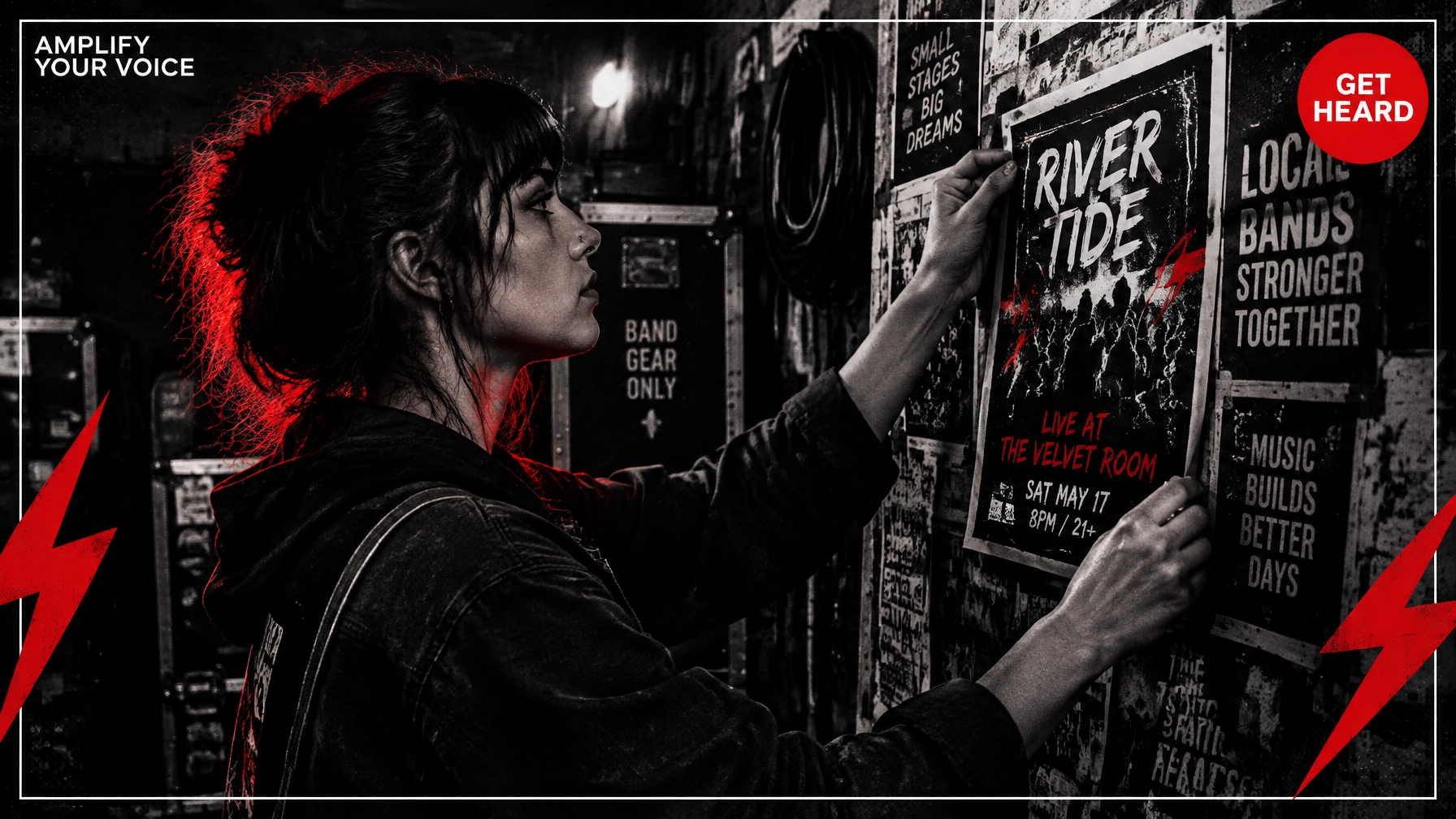
    10 Key Steps to Gaining Exposure as a New Artist

    Welcome to the dynamic and ever-evolving world of music, where finding and honing your unique style can make all the difference in your artistic journey. Whether you’re a solo artist about to unveil your debut single or part of a rising ensemble eager to make your mark, understanding and embracing your individuality is crucial.

    In this article, we’ll explore the significance of discovering your own musical identity, highlighting the journeis of artists and groups who have carved out their niches in the industry. Join us as we delve into the essential steps and strategies that will help you navigate the vibrant landscape of the music industry and set the stage for a successful and fulfilling career.

    1. Embrace Your Unique Sound – Know Thyself

    In the diverse world of music, from pop to the soulful strums of an acoustic guitar, knowing your unique sound is vital. Whether you’re a solo artist releasing your debut album or a member of an upcoming rock group, embrace your distinct style. Think of artists like Harry Styles, who transitioned from a former member of a boy band to a solo icon, or bands like Wet Leg, who explore uncharted territory with their unique style. Your journey, like theirs, starts with understanding your musical identity.

    Your album is not just a collection of songs; it’s a declaration of your arrival in the music industry. It’s where you set the tone for your career, much like how three albums might solidify an artist’s presence. Reflect on the path taken by your famous artists – compare their first album to their third album and see how they have evolved. Your unique sound, whether it’s a blend of hip-hop and jazz or a new take on country, will help you break the barrier and make your mark.

    2. Social Media Mastery

    In the era of streaming and social media, platforms like Instagram and TikTok are invaluable for artists breaking into the music industry. They are not just apps; they’re virtual stages where your music can reach global audiences. Share your journey, from sneak peeks of your latest album to acoustic sessions. Remember how artists like Harry Styles use social media to engage with fans, offering glimpses into their life and work.

    Leverage these platforms to share your story, from the excitement of releasing a new album to the behind-the-scenes of making music. Post photos that capture your essence, whether it’s in a recording studio or performing live on stage. Use social media to build a narrative around your songs and albums, just like how artists in the past have utilized these platforms to skyrocket to fame.

    3. Collaborate and Conquer

    Collaboration is a key strategy for new and developing artists in the music industry. It’s about merging your unique style with another’s, creating something new and exciting. Think of the way genres like hip-hop have evolved through co-written collaborations, bringing together different artists for a single track. Collaborations can take your music to new audiences and add depth to your repertoire, much like a well-crafted follow-up to a successful album.

    The collaborative process is not just about the music; it’s also about learning and growing as an artist. Whether it’s working with a fellow new artist or an established name in the industry, collaborations can be a stepping stone to your next big break. Look at the way artists in the past decade, from the realms of trap to pop, have used collaborations to break into public consciousness.

    For a full playbook on doing this well, read my guide to music collaborations.

    4. Playlist Prominence

    Playlists on platforms like Spotify and Apple Music are the new gateways to a global platform for any artist. Having your music featured on these playlists can catapult your career. It’s about getting your music into the ears of listeners worldwide, from fans of rap to devotees of pop. Your goal is to make your tracks indispensable additions to these playlists.

    Think of playlists as modern jukeboxes where your music can be discovered and appreciated by a new generation of music lovers. Aim to have your songs featured alongside tracks by established artists. This visibility is crucial in the music industry, as it can lead to more fans and, eventually, recognition at prestigious events like the Grammy Awards.

    To plan the release that feeds those playlists, see my release campaign guide for independent artists.

    5. Live Performances – Gig, Gig, Gig!

    The magic of live performances can’t be overstated for an artist. Whether you’re a solo artist with a guitar or a member of a rock band, gigs are where you connect with your audience. They’re opportunities to showcase the soul in your sound, to bring the energy of your music to life. From small local venues to larger stages, each performance is a step towards building a loyal fan base.

    Live gigs are essential, especially in the initial stages of your music career. They’re where you test new tracks, gauge audience reactions, and refine your performance skills. Think of the journey of bands and artists over the last decade – how live performances have been integral to their rise. Whether it’s an intimate acoustic country session or a high-energy rock concert, make each gig an unforgettable experience for your fans.

    A musician playing acoustic guitar to a small audience at an intimate open mic night
    Gigs like this are where the fan base actually starts.

    6. Leveraging Press Kits & Bloggers

    Creating a compelling press kit is crucial for new music artists looking to make an impact in the music industry. Your press kit should capture the essence of your musical journey, from your debut album to your latest tracks. Include photos that showcase your style, and a bio that tells your story. This kit is your introduction to music bloggers, journalists, and industry professionals.

    Reach out to bloggers and journalists who cover new music and emerging artists. Your press kit is a tool to gain media coverage, feature in articles, and get your music reviewed. This exposure can be vital in reaching new fans and establishing your presence in the music industry. Think of how artists in the past few years have utilized media coverage to catapult their careers from their debut to mainstream success.

    If you are building one from scratch, my guide to creating an effective press kit walks through it piece by piece.

    7. Focus on Quality Over Quantity

    In the crowded musical landscape, quality stands out. Whether it’s your debut solo album or your latest release, focus on producing high-quality music that resonates with your audience. This approach is more effective than releasing a high volume of tracks that may not meet the same standard. Your music should reflect your artistic vision and connect with listeners on a deeper level.

    Quality also applies to the production and presentation of your music. High-quality recordings, thoughtful album artwork, and well-crafted music videos can make a significant difference. Remember, in the music industry, albums are more than just a collection of songs; they’re a representation of your artistry. A well-produced album can be your ticket to breaking into the charts and becoming a favorite among fans.

    8. Stay Ahead of Trends

    Staying ahead of current trends in the music industry is crucial for any artist. The musical landscape is constantly evolving, with genres like Latin trap and experimental pop gaining popularity. Keep an ear to the ground and be open to incorporating new sounds and styles into your music. This adaptability can help you stay relevant and appealing to a broad audience.

    Understand the importance of trends in shaping the music industry. From the rise of streaming services to the impact of social media on music consumption, being aware of these trends can inform your strategies for releasing and promoting your music. Whether it’s adapting to the latest digital platforms or exploring new musical genres, staying current is key to your success as an artist.

    9. Networking – Connect and Grow

    Networking is an essential part of building a career in the music industry. Attend industry events, participate in workshops, and connect with other artists and professionals. These connections can lead to collaborations, performance opportunities, and valuable insights into the industry. Building a strong network can be as important as your musical talent in advancing your career.

    Engage with fellow artists, producers, and industry professionals. Join online communities and forums where you can share your music and receive feedback. Networking isn’t just about making contacts; it’s about building relationships that can support and enhance your career. From finding a mentor to collaborating with other artists, the connections you make can open doors and create opportunities for growth.

    10. Continuous Learning and Growth

    The path of an artist is one of continuous learning and growth. Whether it’s honing your musical skills or understanding the business side of the industry, there’s always more to learn. Stay informed about the latest developments in the music industry, from changes in copyright laws to new marketing strategies. Embrace every opportunity to learn and improve.

    Consider formal education, like courses at Berklee College or other recording academy, to deepen your understanding of music theory and production. Learn from your experiences and the experiences of others. Study the careers of your favorite artists and understand how they navigated their journeys. In the ever-changing world of music, ongoing education and adaptability are key to a long and successful career.

    As you embark on your musical journey, remember that breaking through the album barrier and achieving prominence in the music industry is a ride as thrilling as a Ferris wheel – full of ups, downs, and exhilarating views. Whether you’re working on your album, a mixed media project, or co-writing your next hit, each step brings you closer to your dream. Imagine the possibility of your work being recognized by a record label or being considered by screening committees in an eligibility year for prestigious awards. Your journey, fueled by hope and determination, is not just about the success of one album but about laying the foundation for a future filled with endless possibilities. Take this moment to rest, reflect, and then propel forward with renewed vigor.

    Keep Amplifying Your Voice

    These ten steps work as a system: identity feeds the content, the content feeds the audience, and the audience feeds every gig, playlist pitch, and press email. Quick answers to the questions that come up most are below, so you can put the plan to work.

    Ready to turn your dreams into reality? Join us at “Amplify Your Voice: How To Gain More Exposure as an Artist” and let us guide you towards a career where your music knows no bounds. Enroll now and start your journey towards breaking the album barrier and beyond! (Course details and enrollment: amplifyyourvoice.com)

    Frequently Asked Questions About Getting Your Music Heard

    How do I get my music heard as a new artist?

    Start with what you control: define your unique sound, share it consistently on social media, play live as often as you can, and pitch playlists, blogs, and press with a solid press kit. Each step in this guide covers one piece of that system.

    Do I need a record label to gain exposure?

    No. Every strategy in this article, from social media mastery to playlist pitching to networking, can be done independently. A label deal is one possible partner later on, not a requirement for getting started.

    How many songs should I release before promoting my music?

    There is no fixed number, and waiting for a perfect catalog usually hurts more than it helps. Focus on quality over quantity: one well-produced release with a real promotion plan beats a stack of unfinished tracks.

    How do I get my songs on playlists?

    Prepare a clean, well-produced track, pitch it through the tools your distributor and the streaming platforms offer, then reach out directly to independent curators who feature your genre. Make your artist profile and story easy to find so curators can trust what they are adding.

    How long does it take to build an audience?

    It varies widely by genre, market, and how consistently you release and perform, so there is no honest universal timeline. Treat it as an ongoing system rather than a launch: artists who grow keep showing up between releases, not just on release day.

    #IndependentArtist #MusicBusiness #MusicMarketing #HowToGetYourMusicHeard #NewArtist #MusicPromotion #SpotifyPlaylists #LiveMusic #ArtistDevelopment #AmplifyYourVoice

  • Setting Up Your Home Studio: A Budget-Friendly Guide

    Setting Up Your Home Studio: A Budget-Friendly Guide

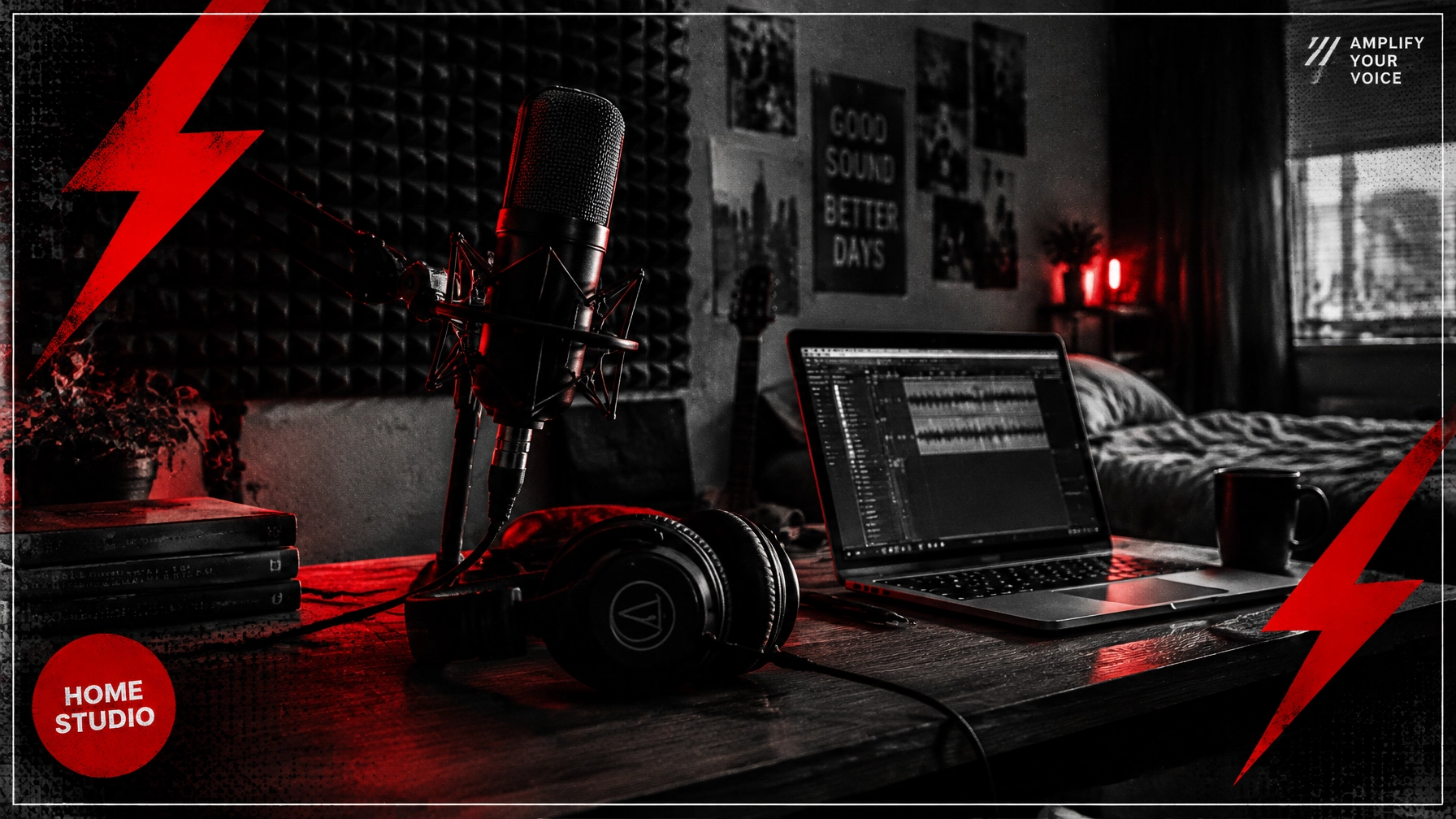
    Setting up a home studio: gritty black-and-white photo of a home studio setup with microphone and gear in red rim lighting, with red lightning bolt graphics and AMPLIFY YOUR VOICE brand mark

    Setting up a home studio is more affordable than most artists expect. This budget-friendly guide walks through the room, the gear, and the acoustics.

    Setting up a home studio the budget-friendly way

    Setting up a home studio does not require thousands of dollars. It requires smart choices about space, gear, and acoustics, in that order.

    The democratization of music technology over the past two decades has made it possible for artists of all levels to create high-quality recordings from the comfort of their own homes. Whether you’re an aspiring musician, a seasoned artist looking to cut costs, or a music enthusiast wanting to explore the magic of sound creation, building a home studio is a solid investment.

    The process might seem daunting at first, but fear not. This comprehensive guide aims to de-mystify the process and equip you with knowledge on how to set up a budget-friendly home studio. And if you’re looking to level up your game, consider enrolling in our “Amplify Your Voice: How To Gain More Exposure as an Artist” course.

    Start with a Dedicated Space

    Absolutely. Before you start acquiring equipment, the first, and arguably one of the most important steps in setting up your home studio, is selecting an ideal space. Your room’s characteristics can significantly influence the sound quality of your recordings. Here are some essential factors to consider when choosing your dedicated space:

    Noise Levels

    Look for the quietest room in your house, away from the hustle and bustle of daily activities and street noise. Any extraneous noise can bleed into your recordings, leading to poor quality. Consider the proximity of your space to high traffic areas in your home, as well as external factors like busy roads, construction sites, or noisy neighbors. Remember, the quieter the room, the cleaner your recordings will be.

    Room Shape and Size

    The size and shape of your room will play a crucial role in how sound waves behave within it. Larger rooms generally provide a better recording environment, as they allow sound waves to develop and are less prone to problematic echoes and standing waves. If possible, avoid small, boxy rooms, as they can create a boomy or boxy sound.

    In terms of shape, rooms with parallel walls can create issues due to sound waves bouncing back and forth, leading to a phenomenon known as standing waves. Non-parallel walls can help diffuse these waves, providing a more balanced sound. Ideally, a rectangular room where the speakers can be placed along the shorter wall is preferred for optimal sound distribution.

    Room Materials

    The materials in your room can also affect your sound. Hard surfaces such as glass, concrete, or wood will reflect sound waves, potentially leading to issues like flutter echoes. On the other hand, softer materials such as carpets or heavy curtains can absorb these sound waves, reducing echo. Striking a balance between reflective and absorptive materials in your room can help control these reflections and create a more controlled sound environment.

    Room Layout

    Consider the layout of your room. Your workspace should be located in the center of the room, equidistant from the side walls to avoid excessive sound reflection. Your speakers should ideally be positioned in an equilateral triangle with your listening position, and the tweeters at ear level when you are seated at your workstation.

    By carefully considering these factors when choosing and setting up your dedicated studio space, you can create an environment that maximizes the quality of your recordings and provides a productive and efficient workspace. Remember, even the most high-end gear won’t compensate for a poorly chosen or configured space. It’s worth taking the time to get this crucial first step right.

    Invest in Essential Equipment

    Creating music is part art, part science. While your creativity fuels the art, you’ll need some specific hardware to handle the science. The essentials include a computer, Digital Audio Workstation (DAW), audio interface, studio monitors, and a quality microphone.

    Computer and DAW

    Your computer is the command center of your home studio. Most modern computers will suffice, provided they have a good amount of storage and a fast processor. The DAW is your virtual recording studio. Some popular, budget-friendly options include GarageBand (free for Apple users), Audacity (free), and Reaper (affordable and offers a free trial).

    Audio Interface

    An audio interface translates analog audio signals into digital data your computer can process. Focusrite Scarlett 2i2 and PreSonus AudioBox are great entry-level audio interfaces.

    Studio Monitors

    Good studio monitors provide flat frequency response, enabling you to hear a clear, unbiased sound. Entry-level options like the Presonus Eris E3.5-3.5″ and Mackie CR3 provide excellent value for money.

    Microphone

    A good microphone is essential. The Audio-Technica AT2020 or the MXL 990 are popular choices for beginners.

    Consider Acoustic Treatment

    Acoustic treatment is often underestimated but plays a vital role in a home studio setup. Proper acoustic treatment ensures that what you hear during recording and mixing is a true representation of the sound without being distorted by room acoustics. Here’s a deeper look at some budget-friendly treatments you can use to optimize your home studio’s sound quality.

    Bass Traps

    Bass traps are designed to absorb low-frequency sounds that tend to accumulate in corners. They help reduce echo and prevent bass frequencies from muddying your mix. You can place these traps in the corners of your room, both where walls meet each other and where walls meet the ceiling or floor.

    DIY bass traps are possible if you’re handy, using materials like rockwool. Commercially, options like Auralex Acoustics Studiofoam Panels offer excellent value.

    Diffusers

    Diffusers scatter sound waves, reducing standing waves and echoes while maintaining a lively sounding space. They help create a balanced sound in your room by ensuring sound waves don’t all bounce back in the same direction. They’re often placed on the rear wall of a studio, but can also be useful on the ceiling.

    If you’re feeling crafty, you can make your own diffusers using wood or a similar material. However, there are also cost-effective solutions available commercially, like the Mybecca Wood Scattered Diffuser.

    Foam Panels

    Acoustic foam panels absorb sound energy, reduce echo, and manage reverb to improve the clarity of what you’re recording or mixing. They’re typically placed on walls around your recording area and the spot directly opposite your studio monitors.

    Like bass traps, foam panels can be a DIY project using appropriate foam. Otherwise, Auralex Acoustics Studiofoam Panels and Foamily’s Acoustic Foam Panels are popular commercial options.

    Remember, while treating your space, the goal is not to completely deaden the room. A bit of liveliness can contribute to a more natural sound, especially for vocals. Moreover, it’s important to tailor your acoustic treatment to your specific room and needs. You can experiment with the placement of these treatments to see what provides the best sound for your setup.

    A properly treated room can make a significant difference in the quality of your recordings and mixes. While it may seem like an area where you could cut corners, thoughtful investment in acoustic treatment can elevate your home studio to new heights.

    Never Underestimate the Power of Accessories

    Accessories like microphone stands, pop filters, headphones, and cables often take a backseat when it comes to setting up a home studio. While they may not be the most flashy components, they play an essential role in your recording process and the overall quality of your output. Let’s take a closer look at these unsung heroes.

    Microphone Stands

    A quality microphone stand provides stability and flexibility during your recording sessions. Depending on your needs, you might require different types of stands. A short desktop stand is handy for podcasting or simple vocal recording, while a full-sized adjustable stand suits those planning to record instruments or vocals while standing. Budget options like the Heil Sound PL-2T Overhead Broadcast Boom or the On-Stage DS7200B Adjustable Desktop Microphone Stand are well worth considering.

    Pop Filters

    If you’ve ever listened to a recording and heard an annoying popping noise when ‘P’ or ‘B’ sounds are made, you’ll understand the importance of a pop filter. A pop filter is a screen placed between the vocalist and the microphone that reduces or eliminates the ‘popping’ sound caused by the mechanical impact of fast-moving air on the microphone. They’re inexpensive, and options like Aokeo Professional Microphone Pop Filter shield your mic from those intrusive plosive sounds.

    Headphones

    A good pair of studio headphones is crucial for accurately monitoring your recordings and mixes. Look for closed-back headphones for recording to prevent sound from leaking into your microphone and open-back headphones for mixing for a more accurate stereo image. The Audio-Technica ATH-M20x offers an excellent balance between quality and affordability for those on a budget.

    Cables

    Lastly, but by no means least, you’ll need cables to connect all your gear. While it might be tempting to skimp on these, poor-quality cables can degrade your sound quality and fail at the worst possible times. Look for well-shielded cables from reliable brands to minimize noise and ensure durability. Mogami and Hosa are reputable brands offering quality at a reasonable price.

    While these accessories may not steal the show, they provide the support your recording process needs to run smoothly. Investing in these often overlooked aspects of your studio setup can significantly enhance your overall recording experience and final product quality.

    Don’t Forget to Learn and Experiment

    Even with the best equipment, the secret sauce lies in learning how to use it effectively. This brings us back to our “Amplify Your Voice: How To Gain More Exposure as an Artist” course, where you can master the art of using your home studio to create compelling music that resonates with your audience.

    Building your own home studio is an exciting journey that can open up a world of musical possibilities. It is an investment in your craft, empowering you to create, experiment, and grow as an artist. While this guide has equipped you with the basics, don’t forget that the best studio is the one that works for you.

    Creating music is an exhilarating journey, and every step you take contributes to your growth as an artist. From setting up your home studio to making the most of your talent and creativity, you have the power to create something truly exceptional. If you’re ready to amplify your voice and gain more exposure, enroll in our course today. Turn up the volume on your music career. Let your voice be heard.

    Keep Reading

    You can also explore Audacity for more artist resources. Once you are recording, plan what comes next: how to promote your music, how to promote your music, and the ingredients of a viral music video.

    Frequently Asked Questions About Setting Up a Home Studio

    How much does a budget home studio cost?

    It depends on your gear choices, but the article focuses on budget-friendly options: free DAWs like GarageBand or Audacity, entry-level interfaces like the Focusrite Scarlett 2i2, affordable monitors and mics, plus DIY acoustic treatment.

    What equipment do I need to start recording at home?

    The essentials from this article: a computer, a DAW, an audio interface, studio monitors, a quality microphone, and accessories like stands, a pop filter, headphones, and cables.

    Does room choice really matter for recording quality?

    Yes, arguably more than gear. The article covers noise levels, room shape and size, materials, and layout, noting that even high-end gear won't compensate for a poorly chosen or configured space.

    Do I need professional acoustic treatment?

    Not necessarily. Bass traps, diffusers, and foam panels can be DIY projects or budget commercial buys, and the goal is balance, not completely deadening the room.

  • Staying Authentic While Navigating the Commercial Music Industry

    Staying Authentic While Navigating the Commercial Music Industry

    Introduction

    The music industry is a complex maze, filled with both opportunities and pitfalls. For aspiring artists, it’s a platform that can catapult you into stardom. However, the commercial aspects of the industry can sometimes overshadow your true artistic identity. So, how do you maintain your authenticity in an industry that often prioritizes marketability over originality? This comprehensive guide will explore the strategies and mindset you need to keep your essence intact while successfully navigating the commercial music industry.

    The Importance of Authenticity

    Why Authenticity Matters

    In a world saturated with artists and musicians, authenticity is what sets you apart. It’s the cornerstone of a lasting music career. Fans are incredibly perceptive; they can easily distinguish between an artist who is genuine and one who is merely riding the waves of current trends. Being authentic allows you to forge a deep emotional connection with your audience, creating a loyal fan base that will stick with you through the highs and lows of your career.

    The Commercial Trap

    The allure of commercial success is potent and can often lead artists down a path where they compromise their artistic integrity. While it’s essential to adapt and evolve in a constantly changing industry, there’s a fine line between growth and selling out. Knowing where that line is can be the key to long-term success. It’s not just about the money or fame; it’s about creating music that resonates with your soul and your audience.

    A musician writing in a journal on the floor of a red-lit rehearsal room
    Knowing your values is easier when you write them down.

    Strategies for Staying Authentic

    Know Your Values

    Before you even think about signing that record deal or agreeing to a high-profile collaboration, you need to have a clear understanding of what you stand for. Your values should be the guiding light in all your decisions, both big and small. This will not only help you stay true to yourself but also attract an audience that resonates with your beliefs and appreciates your art for what it truly is. The legal side of those agreements matters too, so read my guide to legalities in music before you put your name on anything.

    Engage with Your Audience

    Social media is a double-edged sword. While it can be a powerful tool for commercialization, it’s also a platform where you can engage directly with your fans. Use it to show the person behind the music. Share your journey, your struggles, and your triumphs. Respond to comments, host live sessions, and create content that allows your audience to get to know you better. My guide to promoting your music shows what that engagement looks like across a full release cycle.

    Navigating Commercial Opportunities

    The Right Partnerships

    Collaborations and endorsements are a significant part of the music industry. However, aligning with a brand or another artist solely for commercial gains can dilute your authenticity. Choose partnerships that complement your artistic vision and contribute to your growth as an artist. It’s not just about the paycheck; it’s about building a brand that aligns with your identity.

    Balancing Act

    Navigating commercial opportunities is a balancing act. It’s not about shunning commercial aspects altogether but about integrating them in a way that doesn’t compromise your authenticity. Be selective about the gigs you take, the brands you associate with, and the way you market yourself. Every decision should be a step towards building a career that you’re proud of, without losing sight of who you are. For the identity side of that balance, see my guide to music branding for independent artists.

    Conclusion

    Staying authentic while navigating the commercial music industry may seem like walking a tightrope, but it’s more about staying true to who you are. By knowing your values, engaging with your audience, and making mindful choices, you can enjoy commercial success without losing your soul or your artistic integrity.

    Keep Amplifying Your Voice

    Staying true to yourself is easier when you are not making every decision alone. Her original invitation follows, and quick answers to common questions are below.

    Ready to amplify your voice and stay authentic in the music industry? Don’t compromise your artistic integrity for short-term gains. Join our AYV course today and unlock the secrets to a fulfilling and successful music career! (Course details: amplifyyourvoice.com)

    Frequently Asked Questions About Staying Authentic

    How do I stay authentic in the music industry?

    Start by writing down the values you will not trade, then use them as the filter for every deal, partnership, and post. Authenticity is a decision-making system, not a mood.

    Does staying authentic mean turning down commercial opportunities?

    No. It means choosing the opportunities that fit your artistic vision and passing on the ones that would dilute it. Commercial success and artistic integrity are not automatically opposites.

    What does selling out actually mean?

    Selling out is compromising your artistic integrity purely for commercial gain, and the line sits in a different place for every artist. Knowing your values is what tells you where your line is.

    How can social media help me stay authentic?

    It lets fans meet the person behind the music: your journey, your struggles, and your triumphs, in your own words. That direct connection is much harder to fake than a polished ad campaign.

    How do I know if a partnership is right for me?

    Ask whether it complements your artistic vision and contributes to your growth, not just your income. If a brand or collaborator would confuse your audience about who you are, walk away.

    #MusicIndustry #AuthenticityInMusic #CommercialMusic #IndieArtists #MusicCareer #RecordDeals #MusicCollaborations #ArtistIntegrity #MusicMarketing #AYVCourse

  • Maximizing Income Streams in the Music Industry: A Comprehensive How-To Guide

    Maximizing Income Streams in the Music Industry: A Comprehensive How-To Guide

    How to make money as a musician: gritty black-and-white photo of a female musician with merchandise in red rim lighting, with red lightning bolt graphics and AMPLIFY YOUR VOICE brand mark

    Figuring out how to make money as a musician starts with understanding your options. These ten income streams cover the realistic paths for independent artists.

    How to make money as a musician: the ten streams

    The honest answer to how to make money as a musician is rarely one big paycheck. It is several smaller streams, built steadily over time.

    In today’s ever-evolving music industry, diversifying and maximizing your income streams has never been more critical. I’m here to share insights that could help burgeoning artists like you thrive financially. Let’s delve into the how-tos of maximizing your income streams in the music industry.

    The first step to maximizing your income is understanding the varied potential sources available. These include:

    1. Record Sales

    In an era marked by streaming services, it’s essential to remember that the sale of your music in physical formats like vinyl records or CDs and digital formats like MP3s or FLAC files still holds a significant revenue potential. Catering to the devoted fan base that values tangible collectibles and high-quality audio files can help create a diverse and sustainable income stream. By marketing these formats effectively and ensuring global accessibility, musicians can tap into the nostalgia of the physical medium and the convenience of digital purchases, thereby maximizing their income.

    2. Streaming Platforms

    Online platforms such as Spotify, Apple Music, and Amazon Music have revolutionized the way we consume music and are key income sources for many artists today. They operate on a subscription-based model, where users pay a monthly fee for unlimited access to a vast array of music. As an artist, you can benefit by distributing your music on these platforms, which not only provides a steady stream of royalties but also increases your visibility and reach to potentially millions of listeners worldwide.

    To make the most of streaming revenue, aim to increase your fan base and drive engagement. Regularly releasing music, collaborating with other artists, and engaging with your fans through social media are all effective ways to increase streams.

    3. Live Performances

    Concerts, tours, and music festivals form a significant revenue avenue for musicians and are often considered the lifeblood of the music industry. From ticket sales to VIP packages, merchandise, and even live-streaming access for those who can’t attend in person, these live experiences serve as a lucrative and interactive means for artists to maximize their income. Harnessing the energy of the crowd and fan engagement, these events transform music into a tangible and communal experience, thereby fostering a direct and profitable relationship between the artists and their audience.

    Live performances can be a lucrative income source. To maximize this, try to book gigs strategically. Select venues that suit your music style, and where your target audience hangs out. Partner with other artists for co-headlining tours to reach a larger audience.

    4. Music Licensing

    Music licensing is a crucial avenue for revenue generation in the music industry, providing artists with the potential to earn substantial income through royalties. When a musician’s work is incorporated into mediums such as movies, commercials, or video games, they are entitled to licensing fees which become a steady income stream over time. This source of income, therefore, goes beyond the initial creative process and monetizes the ongoing usage of the artist’s intellectual property, creating an extended financial benefit for them.

    Music licensing can be a complex field to navigate. To maximize your licensing potential, register with a Performing Rights Organization (PRO) like ASCAP, BMI, or SESAC. They’ll help you collect royalties when your music is played publicly.

    5. Merchandising

    Selling merchandise such as t-shirts, hats, posters, and other items that feature your brand is an important avenue for maximizing income streams in the music industry. These physical products are not only sources of revenue but also serve as promotional tools, strengthening your brand identity among fans. By delivering high-quality and creatively designed merchandise, artists can significantly increase their visibility and profitability, all while giving their fans a tangible way to showcase their loyalty.

    Merchandising is not just about selling products; it’s about selling your brand. Your merchandise should reflect your music and personality. Unique, high-quality items will often sell better than generic band t-shirts.

    6. Songwriting and Producing

    If you’re a songwriter or a music producer, you have a unique opportunity to generate income by crafting music for other artists. By licensing your compositions or productions, you can earn royalties every time the music is performed, purchased, or streamed. This not only provides a direct revenue stream but also opens doors for passive income, amplifying your earnings potential in the music industry.

    If you have a talent for songwriting or producing, consider working with other artists. This not only diversifies your income but also exposes your music to a broader audience.

    7. Music Lessons

    Possessing expertise in a particular instrument or vocal abilities can open up a potentially lucrative revenue stream through giving lessons. Not only does this provide a consistent income, it also allows you to share your passion and knowledge with eager students. This can be done in-person or online, broadening your reach and maximizing potential earnings.

    Offering music lessons can be a steady income source, particularly during downtime between albums or tours. It’s a great way to connect with fans on a personal level, too.

    8. Sponsorships and Endorsements

    Brand partnerships have emerged as a significant income stream in the music industry, especially with the advent of social media and influencer culture. Musicians, now more than ever, have the opportunity to monetize their reach and influence by promoting brands and their products. This not only provides a direct source of income, but it also often leads to increased exposure and visibility for the artist’s own brand, creating a mutually beneficial relationship between the musician and the partner brand.

    Partner with brands that align with your image and values. Ensure any product you endorse is something you genuinely like and use. Authenticity resonates with fans and makes these partnerships more successful.

    9. Crowdfunding and Patronage

    In today’s digital era, fans have the unique ability to directly support their favorite artists via platforms like Patreon and Kickstarter. Patreon allows loyal fans, or ‘patrons’, to provide consistent financial support in return for exclusive content, merchandising, or personalized experiences. Similarly, Kickstarter offers artists the chance to crowd-fund specific projects, giving fans an opportunity to be an integral part of the creation process. This direct fan-to-artist funding model has revolutionized the music industry by providing an alternate revenue stream, fostering a sense of community, and enhancing creative autonomy.

    Crowdfunding platforms provide a way for fans to directly support your music. Offering exclusive rewards like behind-the-scenes content, early access to music, or personalized merchandise can encourage more contributions.

    10. YouTube Ad Revenue

    As your music videos or vlogs gain popularity and your viewer count rises, ad revenue begins to play a pivotal role in your income stream. The symbiosis between compelling content and increased viewership results in higher ad impressions and click-through rates, thereby bolstering your earnings. Monetizing your content through ad revenue not only creates a sustainable income model, but it also incentivizes the consistent production of quality, engaging content for your growing fan base.

    If you haven’t already, create a YouTube channel. Regularly upload high-quality music videos, behind-the-scenes footage, and vlogs about your music journey. Engage with your viewers by responding to comments. Once you’ve established a substantial audience, monetize your channel through YouTube’s Partner Program. Just remember, consistency and engagement are key to success on this platform.

    With these strategies in mind, remember that each artist’s journey is unique. What works for one might not work for another. Experiment with different income streams and find what suits your style and brand the best. It’s also essential to monitor your progress. This will not only help you understand what works best but also identify new opportunities for income.

    There are many other ways to monetize your music. For the best tips, tricks, and strategies, check out the Amplify Your Voice! Course on How To Gain More Exposure as an Artist.

    A few additional tips to keep in mind:

    1. Prioritize your audience

    No matter which income stream you’re focusing on, always keep your audience at the forefront. Create meaningful experiences for them, engage with them genuinely, and they’ll be more likely to support you.

    2. Learn about the business

    The more you know about the music business, the better positioned you’ll be to maximize your income. This includes understanding contracts, copyright laws, and how royalties work.

    3. Be adaptable

    The music industry is continually evolving. Be open to new income streams, such as virtual concerts or tokenizing your music as NFTs (Non-Fungible Tokens).

    4. Collaborate

    Collaboration with other artists can open doors to their fan base and introduce you to new income opportunities.

    5. Get professional help

    If you can afford it, consider hiring a manager or a business advisor with expertise in the music industry. They can help you navigate the business side of things while you focus on your music.

    In closing, remember, maximizing income in the music industry isn’t solely about making more money. It’s about creating a sustainable career where you can continue doing what you love — making music. With multiple income streams, you can weather the industry’s ups and downs and maintain financial stability, allowing you to invest more in your craft and your fans.

    As an artist, the road to financial success might seem challenging, but with patience, persistence, creativity, and a bit of business acumen, you can indeed make your passion for music a profitable venture.

    If you’re interested in a deep dive into the business side of the music industry, consider joining my comprehensive music course. I share my experiences, insights, and strategies to help new artists gain more exposure and build a sustainable income in the music industry.

    Remember, the journey to a successful music career is a marathon, not a sprint. Keep refining your craft, stay true to your vision, and with strategic moves, you’ll be able to make a living doing what you love the most — creating music.

    #MusicIndustryIncome

    #MusicCareerGuide

    #MusicRevenueStreams

    #MaximizeMusicIncome

    #MusicBusinessTips

    #IndependentArtistInsights

    #MusicIndustryTrends

    #StreamingRevenue

    #MusicMerchandising

    #MusicBusinessCourse

    Keep Reading

    You can also explore ASCAP for more artist resources. Grow each income stream with these guides: music marketing for independent artists, music branding for independent artists, and how to book gigs as an independent artist.

    Frequently Asked Questions About Music Income Streams

    What are the main income streams for musicians?

    The ten covered in this article: record sales, streaming platforms, live performances, music licensing, merchandising, songwriting and producing, music lessons, sponsorships and endorsements, crowdfunding and patronage, and YouTube ad revenue.

    Can musicians really make money from streaming?

    Yes. Streaming provides steady royalties and worldwide reach, though the article stresses pairing it with fan growth and engagement: regular releases, collaborations, and social media connection.

    How do I get started with music licensing?

    A practical first step from the article: register with a Performing Rights Organization (PRO) like ASCAP, BMI, or SESAC so you collect royalties when your music is played publicly.

    Which income stream should I start with?

    There is no universal answer. The article recommends experimenting to find what suits your style and brand, keeping your audience at the forefront, and monitoring what works.

  • Creating an Effective Press Kit for Your Music: A Comprehensive Guide

    Creating an Effective Press Kit for Your Music: A Comprehensive Guide

    Music press kit essentials: gritty black-and-white photo of a female musician with press materials in red rim lighting, with red lightning bolt graphics and AMPLIFY YOUR VOICE brand mark

    A strong music press kit (EPK) is what promoters, journalists, and sponsors ask for first. This guide covers every component yours needs.

    What your music press kit needs

    A complete music press kit answers every question a promoter or journalist might ask before they have to ask it. Here is what yours should include.

    In the current music industry climate, one can’t underscore the importance of a well-structured and well-orchestrated press kit. This bundle of promotional materials is the essence of your music brand identity. It works as your music resume, telling your story, showcasing your achievements, and most importantly, emphasizing your unique sound.

    With an effective press kit, the challenge of gaining traction and recognition in a crowded industry can become far less daunting. That’s why we’ve decided to explore the critical steps in creating an exceptional music press kit in this blog post.

    But first, let’s talk about why you need a press kit.

    Why You Need a Music Press Kit

    As an artist, your music is your most substantial asset. But, as is with any product, without effective marketing, it can easily get lost in the clutter of the music market. This is where a press kit comes in.

    A press kit, also known as a media kit or an Electronic Press Kit (EPK), serves multiple purposes. It communicates your brand, highlights your achievements, displays your best work, and provides all the necessary information that music journalists, event promoters, or potential sponsors might need.

    But creating a press kit that truly stands out requires an understanding of the various components that go into it.

    Components of a Music Press Kit

    1. Artist Biography

    This is the narrative of your music career. It should be compelling, engaging, and professionally written. Make sure to include any significant milestones, accomplishments, and unique aspects about your music. Don’t forget to update it as your career evolves.

    2. High-Quality Photos

    Images are powerful storytellers. Include professionally shot photos that represent your brand’s aesthetic. A variety of shots, like performance images, headshots, and album art, can offer a comprehensive visual story.

    3. Music Samples

    Include a selection of your best tracks. You can either provide these as downloads or links to where your music can be streamed. This will give people an immediate taste of your talent.

    4. Press Coverage and Quotes

    If you have been covered by the media before, include links to these articles or memorable quotes from them. They act as third-party endorsements and add credibility to your music career.

    5. Contact Information

    This is vital. Your press kit must have clear contact information—your email, phone number, and social media links. Additionally, include your booking agent’s and manager’s information, if applicable.

    6. Upcoming Gigs and Tours

    Keep your audience in the loop about where they can catch you live next. List your upcoming shows and tour dates.

    7. Music Videos

    If you have professionally produced music videos, include them in your press kit. They give a visual representation of your music and can greatly enhance your presentation.

    8. Discography

    List your albums, singles, and EPs. Give a brief description of each, including any significant achievements associated with them.

    Creating an SEO-Optimized Music Press Kit

    As we’re aiming to ensure your press kit ranks on the first page of Google, you need to understand and implement SEO (Search Engine Optimization). SEO is about enhancing your online content so that a search engine likes to show it as a top result for searches of a particular keyword.

    1. Keyword Research

    Identify keywords that are relevant to your music brand. These keywords should be terms that your target audience is likely to use when searching online.

    2. Optimize Your Content

    Use the keywords you’ve identified in your press kit content. However, avoid keyword stuffing as this can negatively affect your ranking. Use the keywords naturally and contextually.

    3. Use Metadata

    Your website’s metadata (title tags, meta descriptions) should be optimized with relevant keywords.

    4. Create Quality Backlinks

    Having other reputable websites link to your press kit page can significantly boost your SEO.

    5. Website Speed and Mobile Optimization

    Ensure your website loads quickly and is mobile-friendly. Google considers these factors when ranking websites.

    An effective press kit can go a long way in elevating your music career, but it’s only part of the puzzle. The music industry is dynamic and calls for continuous learning and adaptation. To this end, I would highly recommend enrolling in the “Amplify Your Voice: How To Gain More Exposure as an Artist” course.

    This comprehensive course is designed to help you navigate the music industry effectively, gain more exposure, and ultimately amplify your voice in a crowded marketplace. By combining the knowledge from this course with an exceptional press kit, you’re well on your way to making a significant mark in the music industry.

    Ready to Amplify Your Voice?

    Don’t let your music get lost in the crowd. Sign up for the “Amplify Your Voice: How To Gain More Exposure as an Artist” course today and learn the practical tools and tactics to increase your visibility and accelerate your music career. Enroll now and let your music be heard!

    Keep Reading

    You can also explore Spotify for Artists for more artist resources. Build on your EPK with these guides: essential skills for a new artist, how to promote your music, and how to promote your music.

    Frequently Asked Questions About Music Press Kits

    What is an EPK?

    An EPK (Electronic Press Kit), also called a media kit, is a bundle of promotional materials — bio, photos, music samples, press coverage, and contact info — that gives journalists, promoters, and sponsors everything they need to cover or book you.

    What should a press kit include?

    The components in this article: artist biography, high-quality photos, music samples, press coverage and quotes, contact information, upcoming gigs, music videos, and your discography.

    Do I need a press kit if I'm just starting out?

    Yes. An early-career EPK can be simple, but having one ready makes you look professional the moment a promoter, journalist, or venue asks.

    How often should I update my press kit?

    Whenever something meaningful changes: new releases, press coverage, tour dates, or photos. A stale EPK undermines the credibility it is meant to build.

  • Legalities in Music: What Every New Artist Should Know

    Legalities in Music: What Every New Artist Should Know

    Welcome, aspiring artists! You’re about to embark on an incredible journey in the music industry, where your talent meets opportunity. But wait, there’s more to this journey than just melodies and lyrics. The legal landscape of the music world can be complex, but understanding it is crucial for your success. This guide is your roadmap through the essential legalities every new artist needs to know, ensuring your career is as legally sound as it is artistically brilliant.

    One note before we start: this article is general education for artists, not legal advice for your specific situation. For decisions that carry real money or rights, bring in a music attorney.

    Understanding Copyright Laws: Your Music, Your Rights

    Imagine your music is a precious gem you’ve unearthed. Just as you wouldn’t let anyone claim your gem, you shouldn’t let anyone claim your music without your permission. Copyright laws are here to help you do just that. They ensure that your creation – whether it’s a catchy tune, heartfelt lyrics, or an entire album – is legally recognized as yours. By copyrighting your work, you’re not just claiming ownership; you’re also gaining the exclusive right to reproduce, distribute, and perform your music. Plus, you can authorize others to do the same, potentially opening doors to lucrative licensing deals. Remember, your music is your legacy; protect it fiercely.

    Decoding Music Contracts: The Art of the Deal

    Contracts are the backbone of the music business. They define relationships, set expectations, and safeguard your interests. But they can be as tricky as a complex melody. Whether it’s a record deal, a licensing agreement, or a live performance contract, each comes with its own set of terms and conditions. It’s essential to understand what you’re agreeing to – what rights you’re granting, what compensation you’re receiving, and what obligations you’re under. A good contract should feel like a hit song – well-composed, clear, and leaving you wanting more. And just like you wouldn’t record a song without tuning your instrument, don’t sign a contract without fine-tuning the details. A music attorney can be your best ally here, helping you navigate the fine print and strike a chord that resonates with your career goals.

    Royalties: Making Your Music Pay Off

    Let’s talk money, the lifeblood of your music career. Royalties are how you earn from your music, and understanding them can mean the difference between struggling and thriving. There are various types of royalties – mechanical (from physical and digital sales), performance (from radio, TV, and live performances), and synchronization (from use in film, TV, and ads). Each stream is a potential revenue source, and tapping into them requires strategy and savvy. Registering with a Performing Rights Organization (PRO) is your first step. They collect performance royalties on your behalf, ensuring you’re compensated whenever and wherever your music is played. Remember, your music is not just art; it’s an asset. Treat it like one, and watch your earnings grow.

    A practical note on PROs: in the US, that means organizations like ASCAP, BMI, or SESAC; in Canada, SOCAN. Royalties are only one income stream, though, so see my guide to making money as a musician for the rest of the picture.

    Collaborations and Partnerships: Harmonizing Legal and Creative Interests

    Collaborations can be the highlight of your artistic journey, bringing together different talents to create something extraordinary. However, they can also bring legal complexities. Who owns the final product? How are credits and royalties divided? Clear, written agreements can prevent these questions from turning into disputes. Whether it’s a joint songwriting session, a production partnership, or a feature on another artist’s track, having an agreement in place ensures everyone’s contributions and rights are acknowledged and respected. Think of it as setting the stage for a harmonious relationship, both creatively and legally.

    My full guide to music collaborations covers the creative side of making those partnerships work.

    A musician and an adviser reviewing printed music contracts together at a table
    Bring a second set of eyes to anything with your signature on it.

    Navigating Sampling and Cover Songs

    In the age of remixes and mashups, sampling and covering songs are popular ways to showcase your creativity. But tread carefully – these practices are fraught with legal pitfalls. Using someone else’s music, even a small part, without permission can lead to copyright infringement claims. The key is to get clearance – a legal green light from the copyright holder. Similarly, for cover songs, while you don’t need permission to record a cover, you do need a mechanical license to distribute it. These steps might seem cumbersome, but they’re worth it. They keep your creative endeavors legal and respect other artists’ rights, fostering a healthy, creative environment for all.

    Brand Partnerships and Endorsements: A Legal Perspective

    As your music career grows, you might be approached for brand partnerships or endorsements. These opportunities can be exciting and financially rewarding, but they come with their own set of legal considerations. Contracts for endorsements should detail everything from the scope of work (like social media posts or appearances) to compensation and termination clauses. It’s crucial to align with brands that resonate with your image and values.

    Remember, every partnership reflects on you and your music. Choose wisely and legally safeguard your interests.

    Protecting Your Online Presence

    In today’s digital world, your online presence is as important as your offline one. Protecting your digital content – be it music, videos, or social media posts – is vital. Be aware of the terms of use on different platforms and how they might affect your rights. Additionally, consider trademarking your stage name and logo to prevent misuse and confusion. Your online persona is a significant part of your brand; guard it with the same zeal you would your music.

    Conclusion

    There you have it – a symphony of legal advice for the new artist. From copyright to contracts, royalties to collaborations, understanding these aspects is instrumental in your journey to stardom. Armed with this knowledge, you’re not just a musician; you’re a music entrepreneur, ready to make waves in the industry.

    Keep Amplifying Your Voice

    Legal awareness protects everything you are building, and this article is general education rather than legal advice. Her original invitation follows, then answers to the questions I hear most.

    Eager to turn your musical dreams into a chart-topping reality? Join us at “Amplify Your Voice!” for in-depth insights, personalized coaching, and a community that supports your rise to the top. Let’s make your music resonate – legally, creatively, globally! (Course details: amplifyyourvoice.com)

    Frequently Asked Questions About Music Legalities

    Do I need to register a copyright for my music?

    Your work is protected by copyright as soon as you create it and fix it in a tangible form, but registering it gives you stronger enforcement options, including the ability to bring an infringement claim in the US. Registration costs little relative to what it protects.

    What are the main types of music royalties?

    The three covered in this guide are mechanical royalties from physical and digital sales, performance royalties from radio, TV, and live performances, and synchronization royalties from film, TV, and ads. Each is a separate stream worth registering for.

    Do I need permission to record a cover song?

    You do not need permission to record a cover, but you do need a mechanical license to distribute it. Licensing services and the publisher can set this up, and skipping it risks an infringement claim.

    Do I need a lawyer to review a music contract?

    You are not required to have one, but a music attorney is your best ally for anything with real money or rights attached. Understanding what you are granting, receiving, and agreeing to before you sign is the minimum, not the goal.

    What is a PRO and do I need one?

    A Performing Rights Organization collects performance royalties on your behalf whenever your music is played. If your music is being played publicly, registering with a PRO is the first step to getting paid for it.

    #MusicBusiness #MusicLaw #CopyrightForMusicians #MusicContracts #MusicRoyalties #IndependentArtist #Sampling #CoverSongs #MusicIndustry #AmplifyYourVoice